The Clubhouse
From the Margarine Tub to Europe: How Caernarfon Town FC Built a Community That Drives Growth
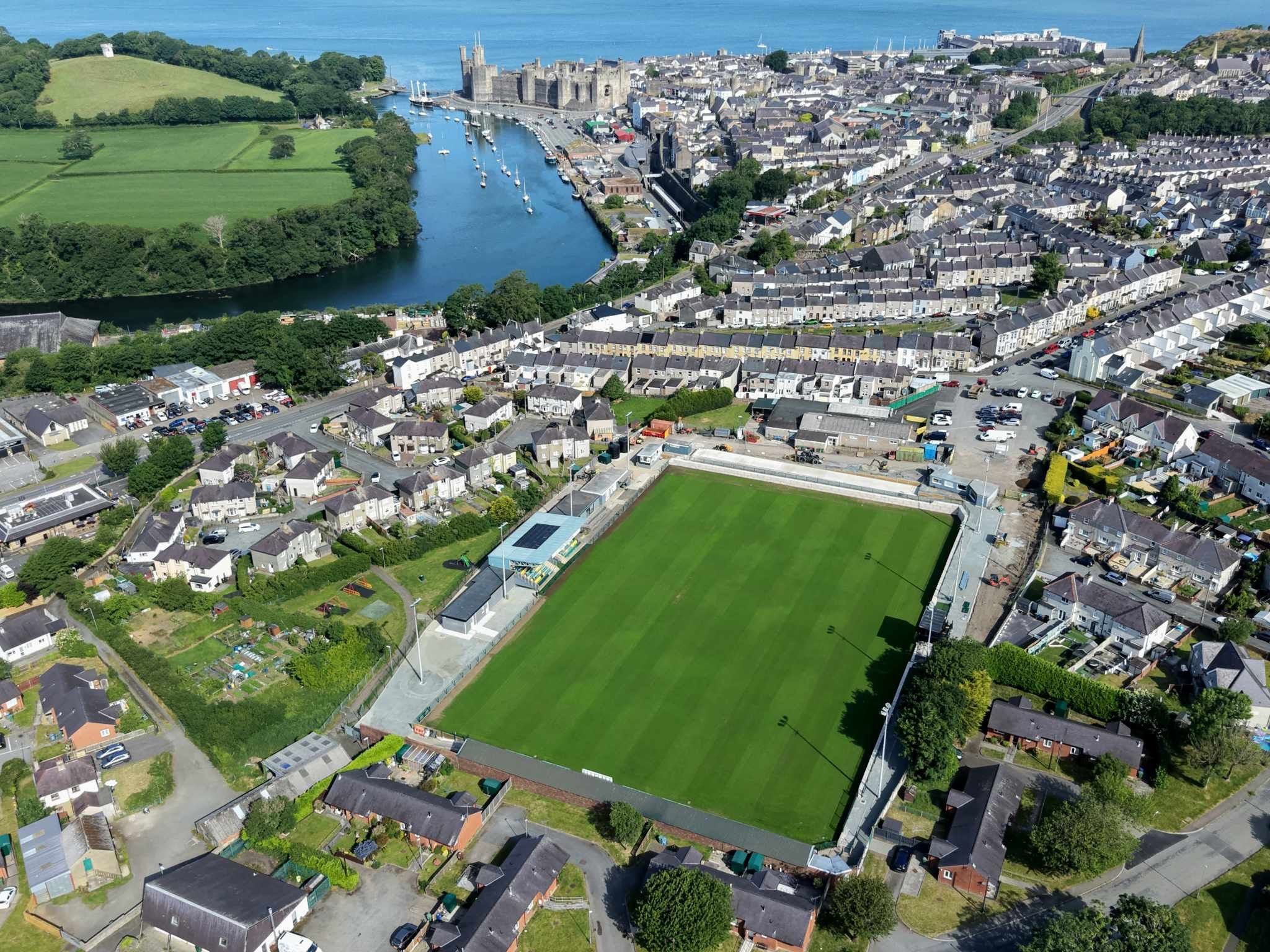


Over the last three years, Caernarfon Town FC have grown digital sales by 525%. Their supporter community on Facebook expanded from 300 members to more than 1,100 in six months. Their online forum grew by 267%. And behind all of it sits a philosophy that has very little to do with marketing budgets or acquisition campaigns.
It is about identity. Community. And understanding the difference between having supporters and genuinely mobilising them.
Caernarfon Town FC play at The Oval, a ground locals have affectionately called the Margarine Tub for as long as most supporters can remember. The club has earned European football in recent seasons, competing in UEFA qualifying rounds that brought a level of attention few clubs at this level ever experience.
But the story that matters here is not about European nights. It is about what the club has built between matchdays, and how a football club in a Welsh-speaking town of around 10,000 people has created a supporter community that punches well above its weight.
The town of Caernarfon has a distinct identity. Around 82% of residents speak Welsh as a first language. The culture, the language and the history are not background detail. They are central to how the community understands itself. The club has always reflected that, but in recent years it has become more deliberate about it.
For many clubs, growth begins and ends with tickets sold.
Caernarfon wanted something more durable.
The club recognised that attracting supporters through the turnstiles was only one part of the challenge. The bigger opportunity was creating an environment where people stayed connected between matches, became active participants in the club's journey and felt a genuine sense of belonging to something larger than a Saturday afternoon fixture.
Like most clubs operating outside the top tiers of the game, Caernarfon compete for attention in a crowded entertainment landscape. The answer was not to try to out-spend that competition. It was to offer something the competition could not replicate: a community rooted in a specific place, culture and shared history.
The first practical step was making it easier for supporters to attend.
Using Fanbase, the club reduced the time it takes to complete a ticket purchase to around 15 seconds. That figure matters more than it might appear. Every additional step in a purchasing journey is an opportunity for someone to abandon the process. For casual supporters or first-time attendees, a slow or confusing checkout can be the difference between attending and not bothering.
Removing that friction is not glamorous work, but it has a measurable impact on attendance. Supporters who might previously have left it too late or found the process awkward now complete the purchase before they have had time to reconsider. The data that flows from those transactions also began building a clearer picture of who Caernarfon's supporters actually are, which made everything that followed more effective.
Andrew Walton, Vice-Chairman of Caernarfon Town FC, puts it plainly: "The truth is Fanbase make us look better."
In 1401, Caernarfon became a primary focal point of Owain Glyndŵr's uprising against English rule. It is one of the most significant moments in Welsh history, and it is the name the club chose for their membership scheme.
That choice is not incidental. CLWB 1401 is not a generic supporter club with a functional name. It is a statement about who Caernarfon Town FC are and what they stand for. Supporters who join are not simply buying benefits. They are aligning themselves with something that carries genuine meaning in this community.
The membership is priced accessibly: £25 per year for adults, £10 for juniors. Benefits include priority access to high-demand matches, priority access to events and official away travel, and 10% discounts on matchday merchandise and season tickets.
Caernarfon are one of a growing number of Fanbase clubs now building membership programmes as a way to create recurring revenue and deepen supporter relationships. The structure is straightforward, the price point is deliberately inclusive and the name carries a weight that no amount of marketing copy could manufacture.
Where many clubs treat their app as a secondary channel, Caernarfon use the content section of Fanbase more actively than most.
They publish frequently. And they do it in Welsh.
That decision reflects something important about how the club understands its audience. Communicating in Welsh is not a novelty or a brand exercise. For a significant portion of Caernarfon's supporter base, Welsh is their first language and the language in which they experience their daily lives. A club that communicates only in English is, however unintentionally, sending a signal about who it considers its primary audience to be.
By publishing content in Welsh, using push notifications to reach supporters directly and staying active throughout the week rather than only around matchdays, the club maintains a presence in supporters' lives that keeps the relationship warm between fixtures. Combined with the Facebook community, which grew from 300 to 1,100 members in six months, this consistent communication has helped turn occasional attendees into genuinely engaged supporters.
The results speak to a strategy that goes well beyond improving a checkout flow.
525% growth in digital sales over three years is significant at any level of the game. But the more telling numbers are the community ones: a supporter forum growing by 267%, a Facebook group more than tripling in size in six months. Those figures do not come from better ticketing alone. They come from a club that has given its supporters a reason to stay connected and a community worth being part of.
As Andrew Walton's assessment suggests, the technology is not the story. It is the enabler. Fanbase handled the infrastructure: faster ticketing, membership management, push notifications, supporter data. The club provided the identity, the content and the genuine community that gave supporters a reason to engage.
Caernarfon's growth did not come from finding more people. It came from giving existing supporters more to connect with.
The clubs most likely to replicate this kind of growth are not necessarily the ones with the largest budgets or the most sophisticated marketing operations. They are the ones that understand what makes them specific, that communicate in a way that reflects their community and that use the right technology to remove friction and stay connected throughout the year.
Cofis yn erbyn y byd. Caernarfon against the world.
It is a local saying, but the principle behind it is one any club can apply.