The Clubhouse
How Cricket Clubs Manage Attendance Across Multi-Day Matches
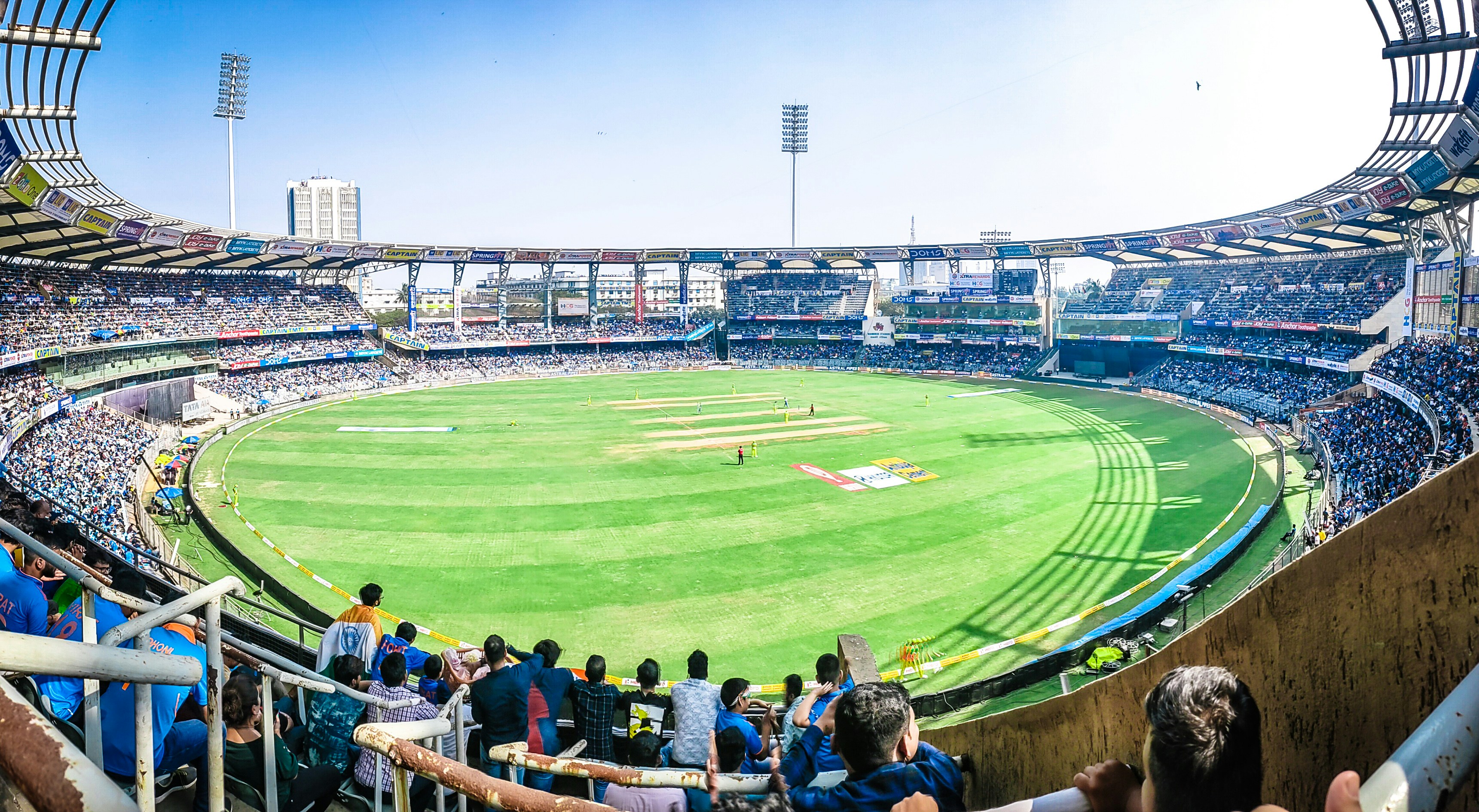


Cricket presents a challenge that most other sports do not face.
A football or rugby match is a fixed moment. Kick-off time is set, the experience is contained and attendance is relatively predictable. In cricket, particularly in Test matches and multi-day fixtures, the product itself unfolds over time. Demand is not concentrated into a single window, but spread across several days, each with its own dynamics.
This creates a more complex relationship between tickets sold and attendance.
Day 1 may sell out weeks in advance. Day 4 may depend entirely on how the match develops. Weather, timing and narrative all influence whether supporters choose to attend, even after they have already purchased a ticket.
Managing that variability is one of the defining commercial challenges in cricket.
One of the clearest patterns in cricket is that not all days are equal.
Opening days of Test matches and high-profile fixtures, such as Ashes series, tend to attract the strongest demand. The anticipation, the sense of occasion and the likelihood of seeing key moments all contribute to early sales and high attendance.
Later days are different.
If a match appears to be drifting towards a draw or ending early, attendance can drop significantly. Even where tickets have been sold, actual turnout becomes less predictable. This is not a failure of demand, but a reflection of how supporters assess value in real time.
The variation is well documented in discussions around Test match attendance, where narrative and match context are shown to directly influence turnout.
Cricket clubs have adapted to this variability by structuring pricing differently across days.
Rather than treating a match as a single product, pricing is often tiered. Early days, where demand is more predictable, are priced higher. Later days are typically lower cost, reflecting both reduced certainty and lower perceived value.
This approach allows clubs to balance revenue across the fixture.
It also aligns with supporter behaviour. Fans are more willing to commit early at higher prices when the experience feels guaranteed. Later, they expect flexibility.
This mirrors broader principles explored in how football clubs price tickets for different fixtures, where demand is not uniform and pricing needs to reflect context rather than remain static.
One of the key differences between cricket and other sports is the role of memberships.
Clubs such as Marylebone Cricket Club and county organisations rely heavily on membership models, which provide access across multiple days and fixtures. This creates a more stable base of attendance, particularly for less predictable days.
Memberships reduce reliance on single-match sales. They also change behaviour. Members are more likely to attend regardless of conditions, having already committed financially. This helps smooth attendance across a fixture, even when casual demand fluctuates.
The importance of this relationship-driven model links closely to how clubs build direct relationships with their fans, where long-term engagement reduces volatility.
Unlike football and rugby, cricket is heavily exposed to weather.
A poor forecast can significantly impact both sales and attendance, particularly for later days of a match. Even where tickets have been purchased, supporters may choose not to attend if conditions appear unfavourable.
Clubs have limited control over this, but they can respond. Flexible ticketing, clear refund or exchange policies and effective communication all help reduce the perceived risk for supporters. These measures do not eliminate uncertainty, but they make it easier for fans to commit despite it.
This connects to the broader challenge of unpredictability in sport, something that will be explored further in upcoming analysis of fixture uncertainty and demand.
While early demand is driven by anticipation, later attendance is often influenced by communication.
As a match develops, clubs have an opportunity to respond in real time. A compelling narrative, a close contest or the potential for a decisive moment can all be used to re-engage supporters.
Digital channels play an important role here.
Clubs can highlight key moments, promote upcoming sessions and remind supporters of availability. This is particularly effective when supported by behavioural insight, ensuring that communication reaches those most likely to attend.
The effectiveness of this approach is closely tied to first-party fan data, where understanding who is likely to respond allows for more targeted messaging.
Cricket attendance is often more spontaneous than other sports.
Supporters may decide on the day whether to attend, particularly for shorter formats or later stages of a match. This places greater importance on the purchase journey.
If buying a ticket is slow, unclear or complicated, that demand is easily lost.
Improving sports ticketing simplicity ensures that supporters can act on intent quickly. Mobile-first journeys, minimal steps and clear pricing all contribute to higher conversion, particularly in last-minute scenarios.
This is not unique to cricket, but the impact is amplified by the nature of the sport.
Managing attendance is not only about selling tickets.
Clubs also need to plan for how many supporters will actually attend on each day. This affects staffing, catering and overall matchday operations.
Understanding patterns in attendance allows for better preparation.
Insights into how different days perform, how weather impacts turnout and how behaviour changes over time all contribute to more effective planning. This links directly to broader discussions around matchday revenue, where attendance drives secondary spend and overall performance.
Cricket does not offer the predictability of a single-match event.
Attendance varies, behaviour shifts and external factors play a larger role. Clubs cannot eliminate this uncertainty, but they can manage it.
By aligning pricing with demand, building strong membership bases, communicating effectively and reducing friction in the purchase journey, cricket organisations can create a more stable and commercially effective model.
Because in a sport defined by variation, success comes not from controlling every outcome, but from responding to it more effectively.