The Clubhouse
How Gloucester City AFC Turned a Play-Off Game Into a Growth Opportunity
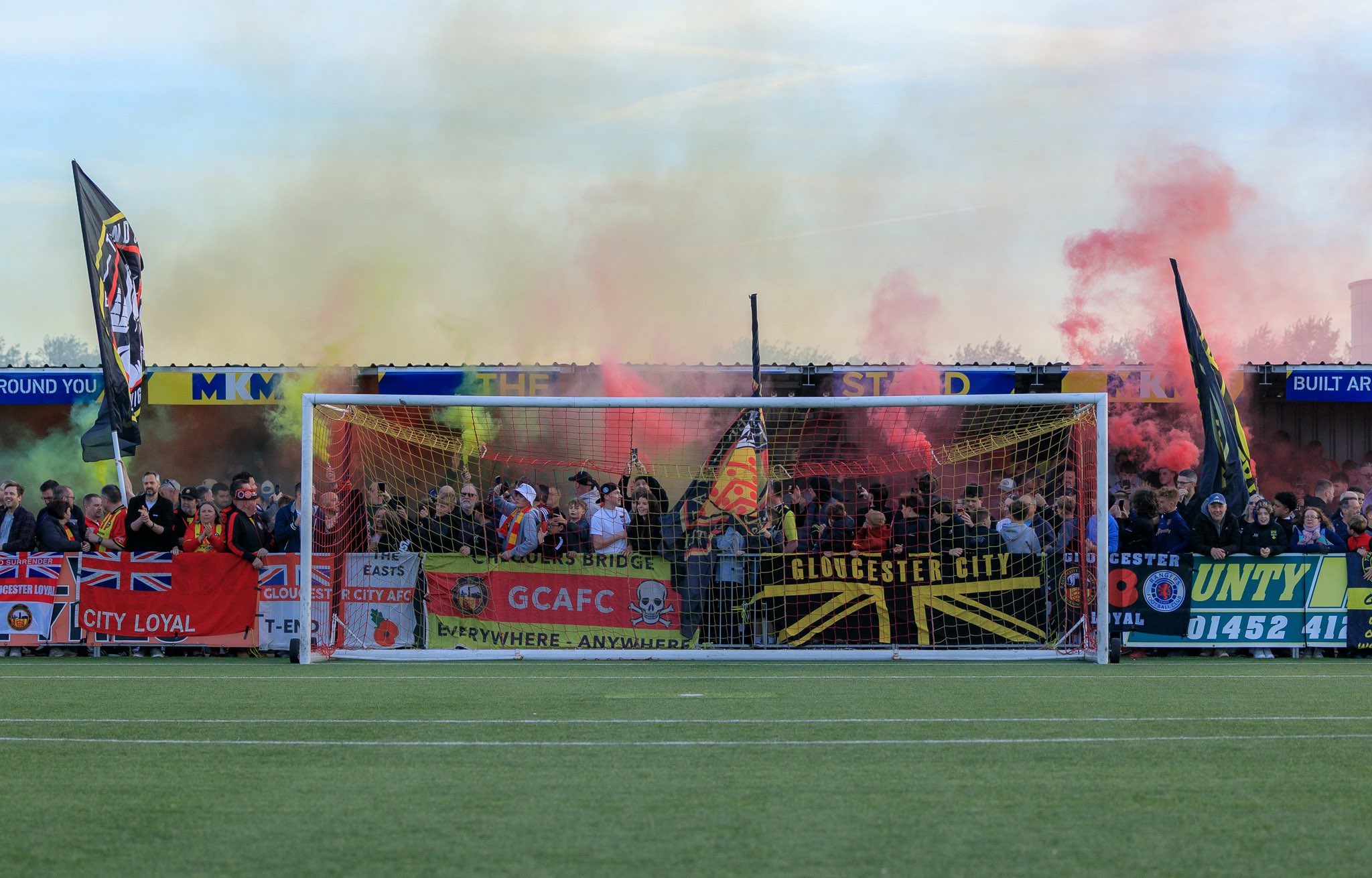


Play-off matches bring opportunity.
They also bring risk.
For Gloucester City AFC, hosting their first play-off game in decades meant preparing for a different kind of crowd. Bigger, less predictable and more varied than a typical league fixture. The challenge was not just selling tickets, but making sure the experience held up under pressure.
What followed was not a single big change, but a series of small, deliberate decisions.
Together, they shifted behaviour.
The brief was simple.
Make it easy to buy. Easy to understand. Easy to attend.
That thinking shaped everything that followed.
Before tickets even went on sale, the club published a detailed ticketing post, giving supporters time to plan. This may seem minor, but it reflects a wider principle: reducing uncertainty increases intent.
This connects closely to how football clubs improve ticket conversion rates, where clarity and timing often determine whether a fan follows through.
One of the most significant outcomes came from a simple shift in communication.
Historically, Gloucester City sold the majority of their tickets very late. Around 77% of purchases typically happened on the day or the day before a match.
For the play-off, that changed.
Only 31% of tickets were sold in that same late window.
Earlier communication led to earlier purchasing.
This matters more than it might appear. Earlier sales improve forecasting, reduce pressure on matchday operations and create a smoother overall experience. It also gives clubs more time to react if demand needs stimulating.
It’s a clear example of behaviour shifting through timing, something also explored in why some matches sell out faster than others.
The club also introduced a 24-hour priority window for season ticket holders, giving their most engaged supporters first access.
At the same time, they simplified the operational side:
None of these changes are complex.
But together, they remove friction from both sides of the experience: buying and entry.
This is the same principle seen in sports ticketing simplicity, where small improvements lead to disproportionately better outcomes.
Attention was not limited to ticketing.
Gloucester City made subtle changes to the matchday itself:
These changes are easy to overlook, but they play an important role.
A better experience reinforces the decision to attend. It increases the likelihood that first-time visitors return. It also shapes perception, particularly for fans who may not be regulars.
On the day itself, the difference was visible.
This is where operational improvements translate into experience.
Fans notice when things feel easy. They also notice when they do not. In this case, feedback consistently pointed to how straightforward the process was.
The data from the match tells an even more interesting story.
The play-off did not just attract more people. It attracted a different audience.
This is growth.
Not just in volume, but in reach and demographic.
It reflects what happens when barriers are removed and communication broadens beyond the core audience. This ties directly into the difference between fans, followers and customers, where not all attendees behave in the same way or represent the same opportunity.
The impact did not end at full-time.
Off the pitch, the club’s marketing list more than doubled:
That is a new audience.
An audience that can now be engaged, nurtured and converted into repeat attendees or season ticket holders.
Season-wide data reinforces the opportunity:
Average attendance is now up 14.4%, with traditional 3pm league fixtures up 13%.
The numbers point to the same conclusion.
Demand is not fixed. It can be grown.
There was no single innovation here.
No major campaign. No complex pricing model.
Instead, Gloucester City focused on:
Each decision was small.
Together, they changed behaviour.
Play-off matches come and go.
The real value is what they reveal.
For Gloucester City, the lesson is clear. When you make it easier for people to engage, they do. When you communicate clearly, they respond earlier. When the experience works, they come back.
The opportunity now is not to repeat the moment.
It is to build on it.
Because the difference between a one-off crowd and sustained growth is not the occasion.
It is what you do next.