The Clubhouse
How Sports Clubs Sell More Season Tickets
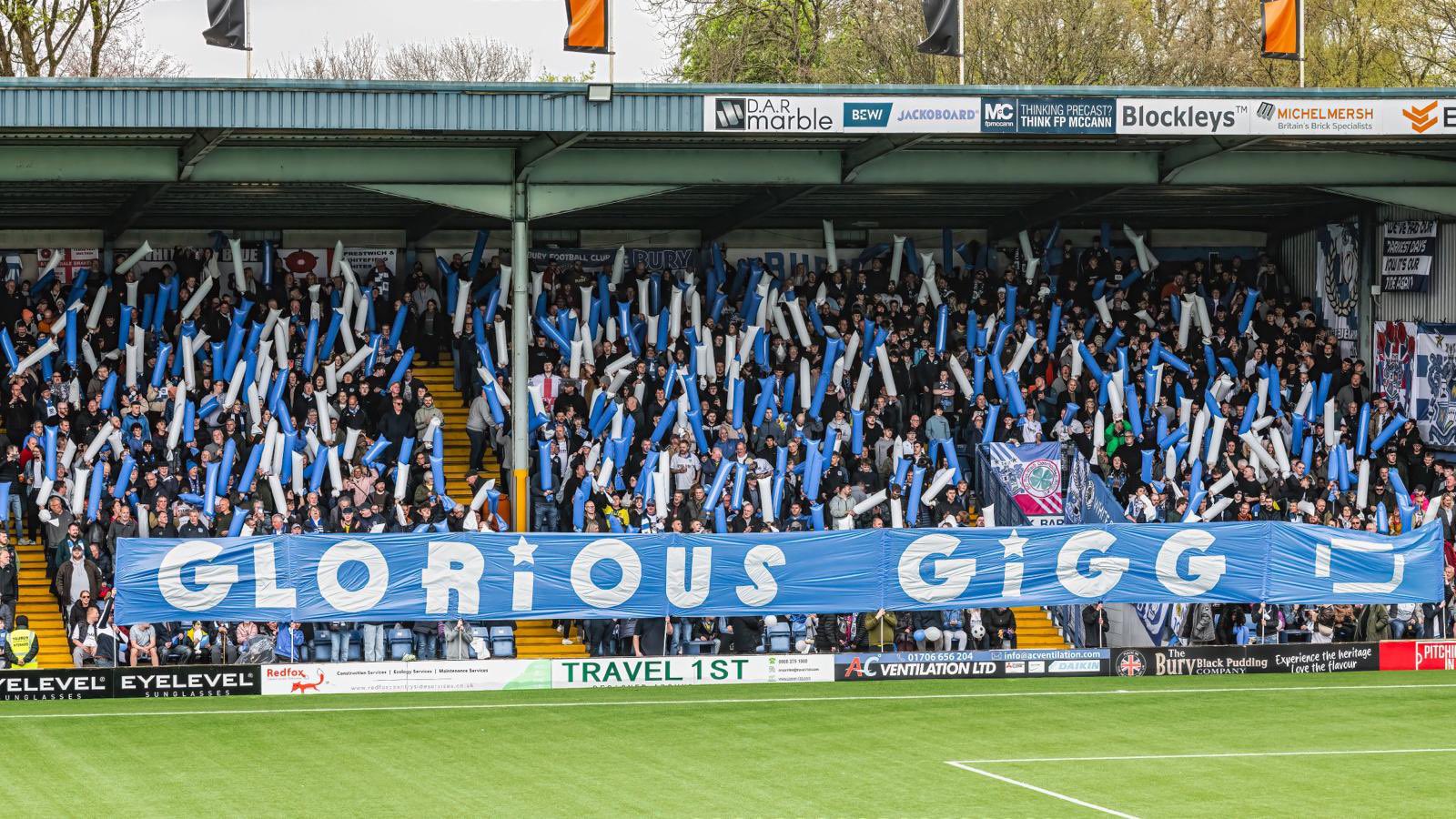


When Bury FC launched their season tickets following promotion, more than 500 sold within the first 24 hours. Within a few days that number had reached 750. For a club at their level, the figures were remarkable. But they were not the result of an aggressive discount or a last-minute push. They were the result of months of momentum, careful communication and a supporter base that felt genuinely invested in what came next.
That story contains most of what clubs need to know about selling season tickets well.
The conversation around season ticket sales usually starts with pricing. Should we offer an early bird discount? Should we freeze prices? Should we introduce a payment plan? Those questions matter, but they address the final step of a process that begins much earlier. The clubs consistently outperforming their peers on season ticket sales are not always the ones with the lowest prices. They tend to be the ones that create anticipation, remove friction from the buying process and give supporters a compelling reason to belong.
One of the most common mistakes clubs make is treating a season ticket launch as the beginning of the campaign.
By the time tickets go on sale, the outcome is largely determined. Supporters who are excited about the season ahead, who feel connected to the club and who have been given clear, consistent communication in the weeks beforehand are significantly more likely to commit quickly. Supporters who have heard very little from the club since the previous season ends are being asked to make a financial commitment to something they have not thought about recently.
The most effective campaigns build anticipation deliberately. Countdown content, behind-the-scenes updates, early announcements about pricing and availability, and content that reminds supporters what they are buying into rather than simply what they are buying. Bury's launch worked in part because the groundwork had been laid across social channels well in advance. Supporters knew how to buy, understood what was included and had already been reminded of what the club meant to them before a sales page appeared.
The practical implication is straightforward: clubs should plan their season ticket campaign as a multi-week communications exercise, not a single launch moment.
The strongest season ticket campaigns are rarely led by price.
Supporters are not simply purchasing entry to a series of football matches. They are committing to an identity, a routine and a community. The clubs that understand this distinction tend to produce campaigns that convert at a higher rate, because they are speaking to the real reason people buy rather than the practical justification they use afterwards.
The most memorable element of Bury's launch was not the pricing structure. It was the manager, Dave McNabb, speaking on camera about what the club meant to him growing up in the town. That content resonated because it was authentic and because it reframed the purchase in terms supporters understood emotionally. A season ticket was not access to forty matches. It was a statement of identity.
This approach is available to clubs at every level. The specific details will differ but the underlying principle does not. People support clubs for reasons that are rarely rational. The campaigns that acknowledge that, and that give supporters language to articulate what they already feel, consistently outperform the ones that lead with discounts and deadlines.
Anticipation and emotional connection generate intent. Convenience converts it.
Many clubs lose sales not because supporters decide against buying but because the process of buying creates enough friction that the moment passes. A supporter fully intending to purchase on their phone during a commute encounters a checkout that does not work well on mobile, or a login process they cannot remember, or a seating map that takes too long to load. They close the tab intending to come back later and never do.
The modern supporter expects the same experience from their football club that they receive everywhere else in their digital life. That means mobile-friendly purchasing, a checkout that takes seconds rather than minutes and clear information at every step. Clubs using Fanbase have reduced the ticket purchase journey to around 15 seconds, which is the kind of marginal improvement that has a material impact on completion rates across thousands of transactions.
One feature that made a tangible difference during Bury's launch was personalised seating. Giving supporters the ability to choose and own their specific seat added a layer of connection to the purchase that a generic season ticket does not provide. It is a small detail but one that turns a transaction into something that feels personal.
Football clubs are competing for a share of supporters' disposable income, and purchasing habits have shifted considerably over the past decade.
Monthly payment options have become a standard expectation across most consumer categories. Streaming services, gym memberships, insurance and countless other regular expenses are managed as monthly commitments rather than annual lump sums. Supporters increasingly expect the same flexibility from their club.
Offering a monthly payment plan does not change the total cost of a season ticket. It changes the psychological barrier to committing. A supporter weighing up whether they can afford several hundred pounds in a single payment will often decide they cannot. The same supporter offered the option to spread that cost across twelve months will frequently decide they can. The economics are identical. The decision feels entirely different.
For clubs serious about maximising season ticket uptake, flexible payments are no longer a differentiating feature. They are a basic expectation that a growing number of supporters will factor into their decision.
Not every supporter is in a position to commit to a full season, and treating that as a lost sale misses an opportunity.
Half-season tickets have become an increasingly useful tool for clubs looking to convert casual attendees into more regular supporters. Some fans discover the club midway through a season. Others have work patterns, family commitments or financial constraints that make a full-season commitment feel like too much. A half-season option provides a lower-risk entry point that can bring supporters into a closer relationship with the club without requiring the full leap.
The long-term value of that approach is worth considering carefully. A supporter who takes a half-season ticket and enjoys the experience is a significantly more likely full-season ticket buyer the following year than one who attended occasionally and was never offered a structured way to commit further. Half-season tickets are less about the revenue they generate directly and more about the supporter relationships they help build.
One of the less visible benefits of season tickets is what they do to attendance behaviour over time.
A supporter with a season ticket does not decide each week whether to attend. They have already made that decision for the season. Attendance becomes routine rather than a recurring choice, and routine is one of the most powerful forces in supporter behaviour. The supporter who attends forty matches across a season develops a relationship with the club that a supporter who attends eight cannot replicate, regardless of how engaged they feel in other respects.
That habit creates compounding value. More engaged supporters are more likely to renew, more likely to bring others and more likely to spend across other parts of the club's commercial operation. The investment in making season tickets accessible and easy to buy is not just about the revenue from the ticket itself. It is about the long-term supporter relationship that follows from it.
This is the argument at the centre of why fan retention is the biggest growth opportunity in sport. Keeping an existing supporter engaged and attending is consistently more valuable than acquiring a new one, and season tickets are one of the most effective mechanisms clubs have for driving that retention.
Looking across the clubs generating the strongest season ticket sales, a consistent pattern emerges.
They start building anticipation early, before the launch rather than at it. They lead with identity and belonging rather than price and access. They make the buying process straightforward enough that intent becomes purchase without friction. They offer flexibility that removes financial barriers without reducing overall revenue. And they understand that a season ticket sale is not the end of the relationship with a supporter but the beginning of a deeper one.
The transaction happens at checkout. The decision is usually made long before.
Clubs that invest in the relationship throughout the year tend to find that season ticket campaigns take care of themselves. Clubs that treat the launch as the starting point are making the job considerably harder than it needs to be.