The Clubhouse
The Matchday Experience: Why Atmosphere Still Drives Attendance
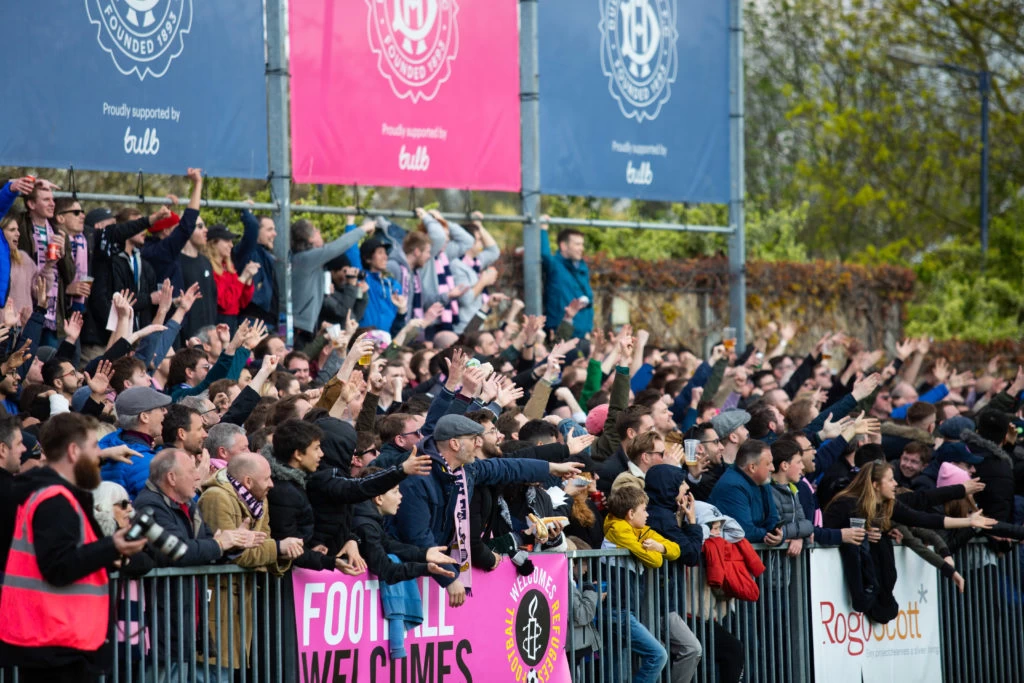


For all the focus on ticket pricing, data and digital engagement, one of the most important drivers of attendance in football remains the simplest.
How it feels to be there.
Supporters do not just decide whether to attend a match based on the opposition or the league table. They decide based on what the day represents. The journey to the ground, the people they go with, the time spent before and after kick-off and the sense of belonging once they are inside the stadium all shape the experience.
In a time where fans can watch almost any match from anywhere, often in higher definition and greater comfort than ever before, the live experience has to offer something different. It has to offer something that cannot be replicated elsewhere.
Attending a football match is no longer the default choice it once was. Supporters have more options for how they spend their time and money, from streaming services and other live sports to concerts, events and social activities.
For many fans, particularly younger audiences, attending a match has to compete with a wide range of alternatives. That means the decision to go to a game is not just about football. It is about value, experience and how the day fits into a broader lifestyle.
Clubs that recognise this shift tend to approach matchday differently. Instead of focusing solely on what happens during the ninety minutes, they consider the entire experience around it.
Atmosphere has become one of the clearest ways clubs can stand out.
A full stadium, vocal supporters and a sense of collective energy create something that television cannot replicate. It is often this feeling that turns a one-off visit into a habit.
This is particularly evident in non-league football, where clubs have leaned into community and culture as a way to grow attendances. Teams such as Dulwich Hamlet F.C. have built strong followings not just through results, but through the environment they create around the matchday. The experience becomes as important as the football itself.
In these settings, supporters are not just spectators. They are participants in something shared. That sense of involvement is a powerful driver of repeat attendance.
Many clubs are now paying closer attention to what happens before and after kick-off.
Pregame experiences, fan zones, live music, food and drink offers and family-friendly activities all contribute to how supporters perceive the day. These elements extend the match beyond the ninety minutes and create more reasons for fans to attend.
This approach has been widely adopted in other sports. In Major League Baseball, for example, teams regularly build entire matchday schedules around entertainment, promotions and social experiences designed to attract a broader audience.
Football clubs are increasingly experimenting with similar ideas. The aim is not to replace the game itself, but to enhance the overall experience and make attending feel like a complete day out rather than a single event.
The impact of matchday experience goes beyond atmosphere. It directly influences supporter behaviour over time.
Fans who have a positive experience are more likely to return. They are also more likely to bring others with them, introducing new supporters to the club. Over time, this helps convert occasional attendees into more regular matchgoers.
This is where matchday experience connects to wider strategies. Clubs looking to increase matchday attendance often focus on pricing or promotion, but the experience itself plays an equally important role.
Initiatives such as ticket bundles and membership programmes can encourage attendance, but it is the experience on the day that determines whether supporters come back.
A stronger matchday experience also has clear commercial benefits. Supporters who arrive earlier and stay longer are more likely to spend on food, drink and merchandise.
A more engaged crowd creates a better environment for sponsors and partners. Higher attendance and stronger atmosphere can also improve the club’s overall appeal. Importantly, these benefits compound over time.
As more supporters attend regularly, the atmosphere improves, which in turn attracts more fans. The experience becomes self-reinforcing.
Clubs have more tools than ever to understand and engage their supporters. Data, pricing strategies and flexible ticketing all play an important role in shaping attendance.
But the experience itself remains central. The most effective clubs are those that combine these elements. They use data to understand their supporters, flexible ticketing to encourage attendance and strong matchday experiences to ensure those supporters return.
Because in the end, clubs are not just selling tickets. They are creating moments that people want to be part of.