The Clubhouse
Why Millwall’s Play-Off Sponsorship Deal Is Smarter Than It Looks
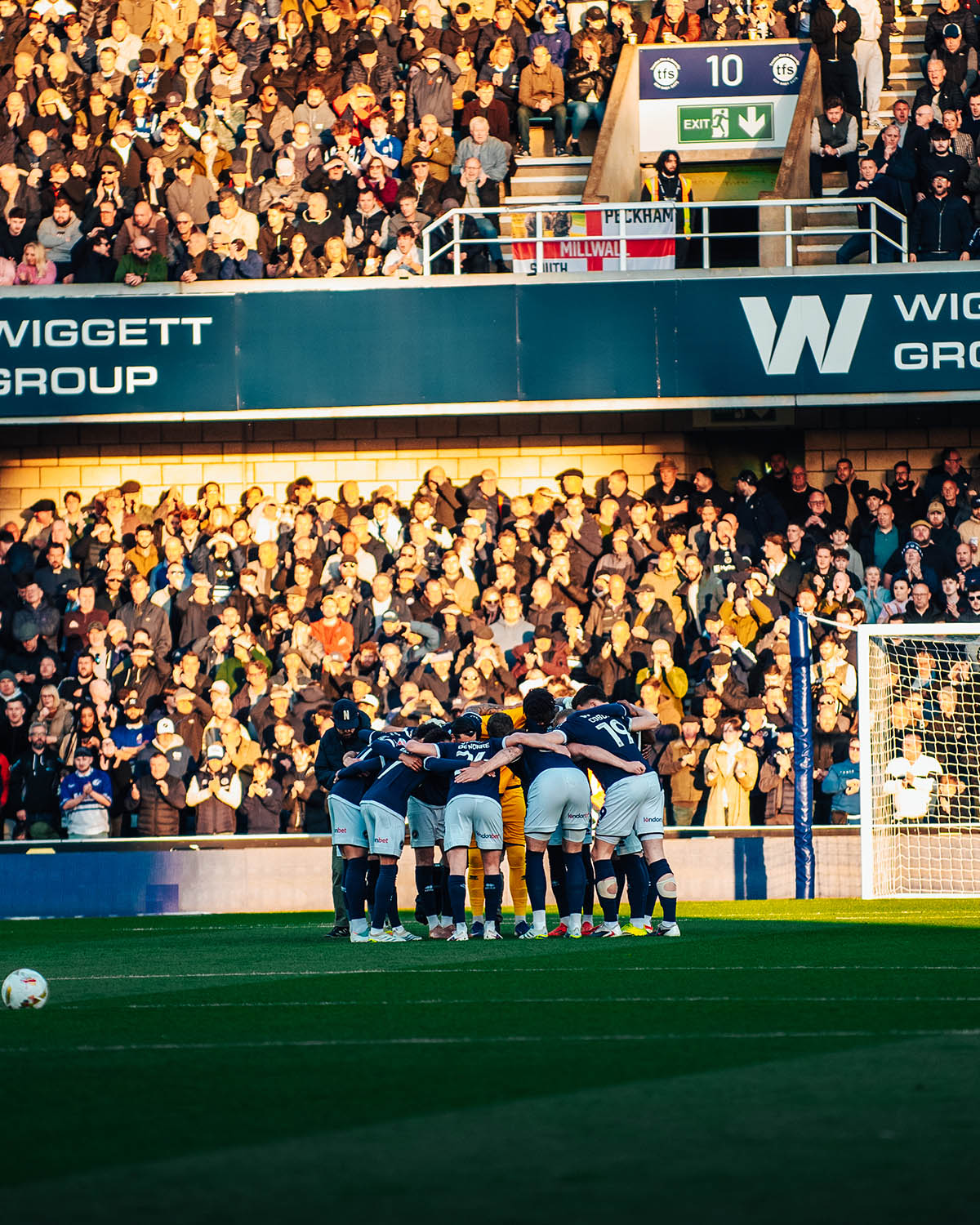


Millwall FC did not overhaul their sponsorship model for the Championship play-offs.
Their main kit remained tied to long-term partners, just as it had been throughout the season. The front of shirt, the sleeves and the primary commercial assets were already accounted for.
But one part of the kit was not.
The back of the shorts, often overlooked and rarely the centrepiece of a deal, remained available. And for two games against Hull City, Millwall chose to use that space differently.
They sold it.
In most sponsorship structures, certain assets carry obvious value. Front-of-shirt placements, sleeve sponsors and stadium naming rights are prioritised, packaged and sold well in advance.
Other areas, like the back of the shorts, tend to sit further down the hierarchy. They are often bundled into wider deals or left underutilised, particularly at clubs operating outside the very top tier.
That is what makes this decision interesting.
Millwall did not create new inventory. They identified value in something that already existed, but had not been fully exploited.
The Championship does not suddenly change during the play-offs. The teams are the same, the competition is the same and the physical assets on the kit are unchanged.
The audience is not.
Play-off semi-finals typically draw between one and two million viewers per leg on Sky Sports. Regular season matches, by comparison, tend to average closer to 300,000 to 350,000.
That difference is significant.
It means that the same piece of sponsorship inventory can deliver multiple times the exposure, simply because of when it appears. And yet, commercially, many clubs still treat these moments as if they sit within the same pricing structure as any other fixture.
Millwall have recognised that they do not.
By selling a short-term deal tied specifically to the play-offs, Millwall have effectively separated the value of the moment from the value of the asset.
For the sponsor, the logic is clear. They are buying into a window where:
This creates a concentrated burst of exposure that would be difficult to replicate across a full season.
For the club, the benefit is equally clear. The deal generates incremental revenue without disrupting existing partnerships or committing inventory long term. It sits alongside their current commercial structure rather than replacing any part of it.
While this approach feels new within the EFL, the underlying principle is well established in other areas of sport.
In boxing, athletes such as Tyson Fury regularly carry sponsors tied to a single fight. These deals are built entirely around moments of peak attention, where global audiences are focused on one event.
In the NBA, teams like the Golden State Warriors see the value of their jersey patch sponsorships increase significantly during the playoffs. The asset itself does not change, but its exposure does, and pricing reflects that.
In the NFL, commercial activity around teams such as the Kansas City Chiefs intensifies during playoff runs, with brands concentrating spend around the periods where audience and engagement are highest.
The pattern is consistent.
The value of sponsorship is not fixed. It fluctuates with attention.
Millwall have simply applied that thinking more directly within English football.
The play-offs are the most obvious example of a high-intensity window, but they are not unique.
Across a season, there are multiple fixtures and moments where attention spikes:
Each of these represents a different level of demand, both from supporters and from a broader broadcast audience.
This is the same dynamic explored in how football clubs price tickets for different fixtures and why some matches sell out faster than others, where not all games carry the same value.
The difference here is that the same principle is being applied to sponsorship.
Instead of treating inventory as static, it becomes responsive to context.
One of the challenges clubs face with sponsorship is the balance between stability and flexibility.
Long-term deals provide security, but they can limit the ability to respond to changes in demand. Short-term deals offer flexibility, but can introduce uncertainty.
Millwall’s approach sits between the two.
By using a smaller, underutilised asset, they have created space for short-term commercial activity without compromising their core agreements. This allows them to capture additional value in specific moments while maintaining the stability of their broader sponsorship structure.
For many clubs, particularly those outside the Premier League, this kind of layered approach represents a significant opportunity.
Millwall’s play-off sponsorship deal is not just a one-off decision tied to a specific fixture.
It reflects a broader shift in how clubs can think about commercial value.
Sponsorship does not have to be tied exclusively to time. It can be tied to attention, to narrative and to moments where interest is at its peak.
Clubs that recognise these fluctuations, and build their commercial strategies around them, give themselves more ways to grow without needing entirely new assets.
Because sometimes the opportunity is not in creating something new.
It is in seeing something that already exists, and pricing it properly.