The Clubhouse
Sports Club Email Marketing: How to Turn a Fan List Into Revenue
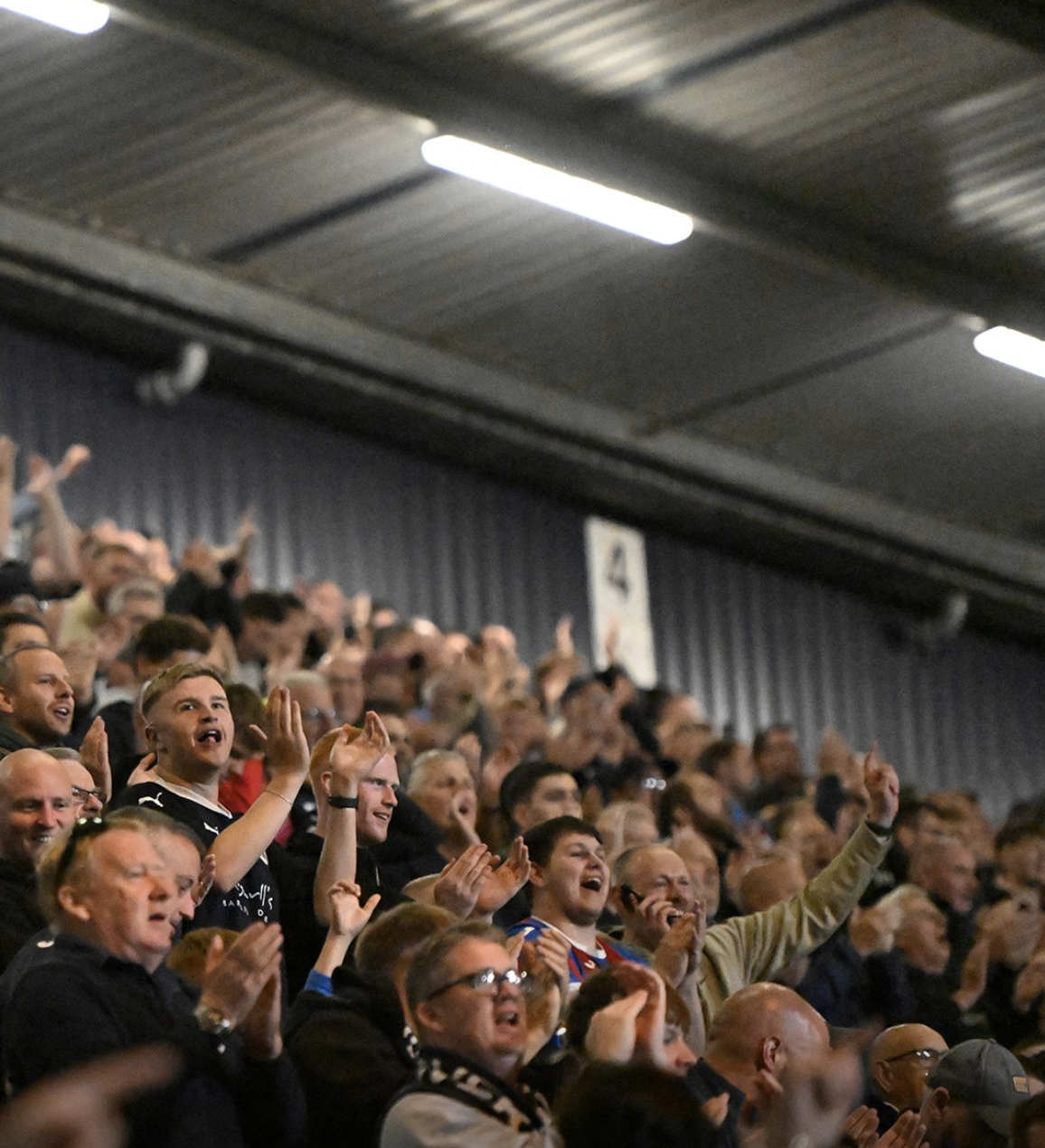


When Bury FC launched their season tickets this summer, more than 500 sold in the first 24 hours. Social media played its part in generating excitement, but a significant portion of the work happened away from the timeline. Email gave the club a direct line to supporters who had already demonstrated an interest in Bury FC, and it allowed them to communicate clearly and consistently throughout the most important commercial window of their year. Pricing, payment options, how to buy, why now: all of it delivered directly to people who were already predisposed to act.
It is a useful reminder that while social media tends to dominate the conversation around fan engagement, email remains one of the most effective tools a sports club can use. Not because it is exciting, but because it works.
When clubs talk about improving their email marketing, the conversation usually gravitates towards subject lines, send times and open rates. Those things matter, but they are rarely the root cause of underperformance.
The bigger issue is almost always data.
Most clubs are sitting on supporter information spread across multiple systems that never communicate with each other. Ticket buyers sit in one platform. Membership records sit somewhere else. Retail purchases are stored in a third place. Email is managed through a fourth. The practical result is that clubs may have substantial amounts of supporter data but very little joined-up understanding of the people behind it.
When all of that information is fragmented, communication defaults to generic. A season ticket holder, a first-time attendee, a lapsed supporter and an active member all receive the same message because the club has no easy way to distinguish between them. The problem is rarely a lack of effort. It is a lack of connected information.
This is the problem that a platform like Fanbase is designed to solve. By bringing ticketing, memberships, communications and retail data into a single supporter profile, clubs can move from seeing isolated transactions to understanding patterns of behaviour. That shift is what makes email significantly more effective, because relevance is the single most important factor in whether a message drives action.
The two channels serve different purposes and the strongest campaigns use both deliberately.
Social media is excellent for visibility. A well-timed post reaches people who are not actively thinking about the club, generates conversation and builds the kind of ambient awareness that keeps an organisation present in supporters' minds. But clubs do not control who sees a post, when they see it or how much of the audience the algorithm decides to show it to.
Email works differently. An email database is a direct line to supporters who have already engaged with the club in some meaningful way, whether that is buying a ticket, joining a membership or signing up for communications. They have already indicated interest. The question is what the club does with that relationship.
For Bury, email allowed the club to reinforce key messages consistently across the launch period, answer practical questions before they became barriers and keep the campaign front of mind while supporters weighed up their decision. That kind of sustained, direct communication is something social media cannot reliably replicate.
One of the most common and costly mistakes in sports club marketing is treating a ticket purchase as the conclusion of a transaction.
It should be the beginning of a relationship.
Every supporter who buys a ticket creates an opening for future engagement. The immediate question after any purchase should be: what happens next? Does this person receive a welcome message? Are they introduced to the membership scheme? Do they hear about the next fixture before it sells out? Or does the relationship simply go quiet until the club needs something from them again?
Too often it is the latter. Clubs invest significant effort and money in acquiring supporters and then underinvest heavily in what follows. The supporters most likely to become season ticket holders, members and long-term advocates are the ones who received thoughtful communication after their first purchase, not the ones left to find their own way back.
As we explored in what happens after a fan buys a ticket, the post-purchase moment is one of the most underused opportunities available to sports clubs. Email is the most practical tool for making the most of it.
The clubs generating the strongest results from email marketing are not the ones sending the most messages. They are the ones sending the most relevant ones.
A first-time attendee does not need the same communication as someone who has held a season ticket for six years. A member approaching renewal needs a different message to a supporter who attended twice last season and has not been heard from since. A supporter who regularly buys from the club shop may respond to something entirely different from someone who only engages around cup fixtures.
When clubs understand those distinctions and build their communications around them, email becomes considerably more powerful. Through a platform like Fanbase, clubs can create audiences built around actual behaviour: previous ticket buyers who have not yet renewed, members likely to upgrade, supporters who engage with retail but not ticketing, lapsed attendees who have not been back in over a year.
That kind of segmentation is the difference between a mailing list and a genuine supporter strategy. One broadcasts. The other communicates.
Season ticket sales rarely come from a single announcement. Supporters often need several touchpoints before they act.
They may see the launch on social media, open a related email a few days later, have a conversation with a friend, think about their budget, check the fixture list and then return to purchase. That decision journey can take anywhere from a few hours to a few weeks, and the clubs that understand this plan their campaigns accordingly.
A well-structured season ticket email campaign might include a launch announcement, follow-up information on payment options, a message from the manager, a practical guide to purchasing, an early-bird deadline reminder and a final push in the closing days. None of that needs to feel like pressure. The best campaigns feel useful rather than pushy, because they are delivering information at the moment supporters actually need it.
Bury's campaign worked not simply because supporters wanted season tickets, but because the club made it easy and clear to act on that interest throughout the launch period. Email kept the campaign visible and answered questions before they became reasons not to buy.
The same principle applies directly to memberships, which rarely succeed on the strength of a single launch post.
Supporters need to understand what a membership offers, why it matters and what their contribution supports. That takes time and it takes repetition. A supporter who sees a membership announcement once and does not act is not necessarily uninterested. They may simply need the message to arrive at a different moment, or in a different form, or with a clearer explanation of the value.
When Rochdale AFC built momentum around their £5 Fan Card and when Raith Rovers developed Club 1883 into a significant revenue stream, communication played a central role in both. Supporters needed to understand the proposition clearly before they were ready to commit, and email gave both clubs a way to tell that story across multiple touchpoints rather than relying on a single announcement to do all the work.
Membership growth is almost always the result of many conversations rather than one.
Many clubs still think about email primarily in the context of ticket sales. Its value extends considerably further.
The same approach that drives season ticket sales can support membership campaigns, hospitality promotions, retail activity, event announcements and supporter retention. Through Fanbase's integration with Shopify, retail behaviour sits alongside ticketing and membership data in the same supporter profile. That means clubs can begin understanding not just who buys tickets but who supports the organisation across multiple revenue streams, and communicate accordingly.
A supporter who has recently bought a junior shirt may be more receptive to a family ticket offer. A season ticket holder who has never engaged with hospitality might respond to an introduction to a premium matchday experience. A member who opens every communication but has not attended recently may need little more than a well-timed reminder.
The more a club understands its supporters, the more its communication can reflect that understanding. And the more communication reflects genuine understanding, the more effectively it converts.
Every club wants to grow its supporter base, and most direct a significant proportion of their marketing effort towards finding new audiences.
That instinct is understandable but often misdirected. A supporter who has attended before already knows the club, understands the matchday experience and has demonstrated a willingness to engage. Bringing them back is almost always less expensive and more reliable than persuading someone who has never attended to make that first commitment.
Email is one of the simplest and most effective tools for maintaining those existing relationships. A well-timed message can surface an upcoming fixture, acknowledge a supporter milestone, share news that reinforces connection or simply remind someone that the club is there. Done well, it keeps the relationship warm between matches without requiring significant resource.
This is the core argument in why fan retention is the biggest growth opportunity in sport. Growth does not always mean finding new people. More often it means giving existing supporters better reasons to stay engaged, and email remains one of the most direct ways to do exactly that.
The strongest sports club email campaigns do not begin with the question "what do we want to sell this week?"
They begin with a different question entirely: what does this supporter need to hear next?
A first-time attendee may need practical information and a reason to come back. A regular supporter may be ready to commit more deeply if given the right offer at the right moment. A member may need updates that reinforce the value of what they have already joined. A lapsed supporter may need nothing more than a reminder of what they have been missing.
When clubs start with the supporter rather than the product, email stops being a broadcast channel and becomes something closer to a conversation. That shift in framing is where the greatest opportunity in sports club email marketing actually lies, and it is available to any club willing to invest the time in understanding who is on their list and what those people actually care about.