The Clubhouse
What the World Cup Taught Us About the Real Value of a Ticket
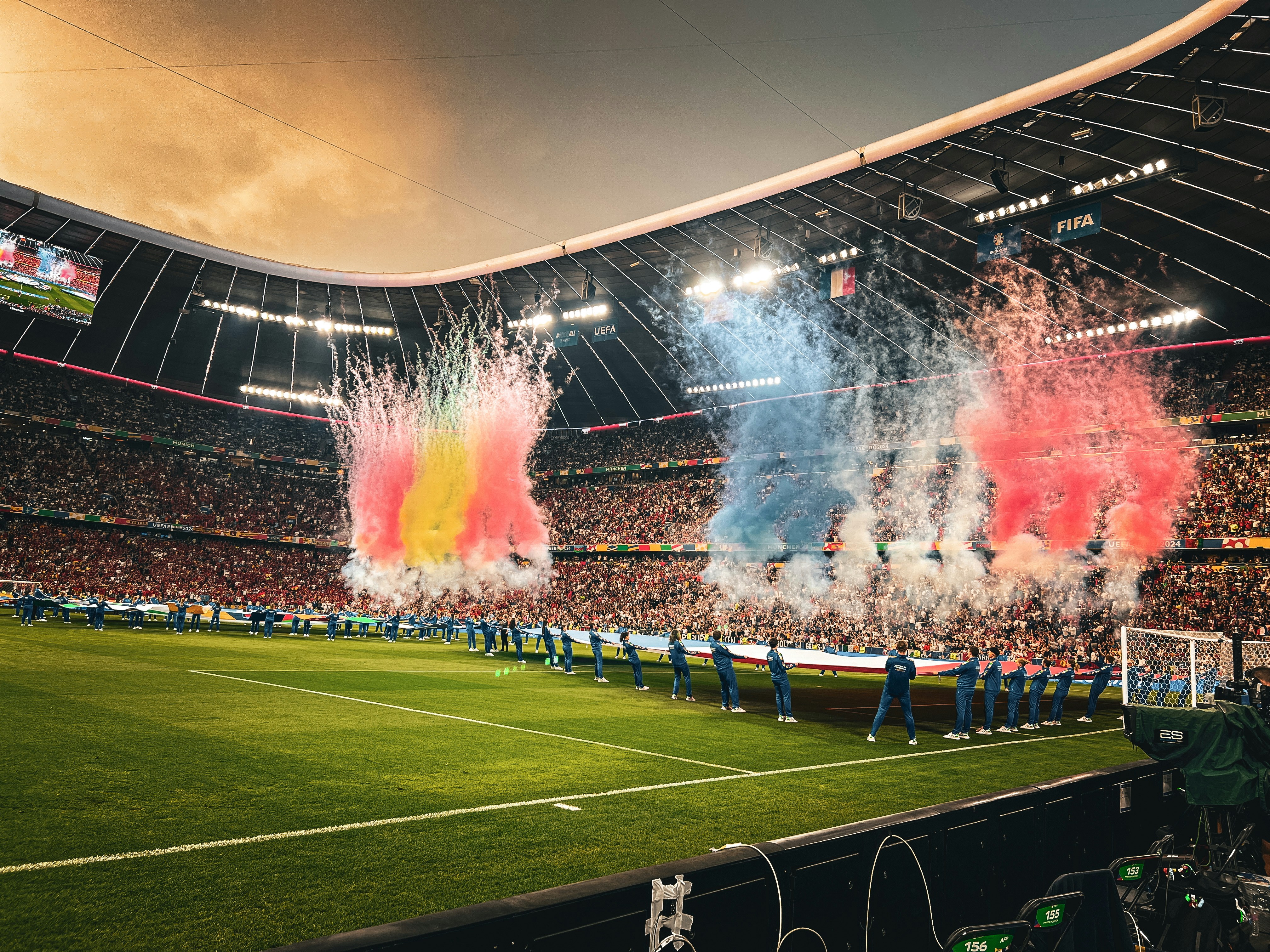


The cheapest ticket to the 2026 World Cup final at MetLife Stadium was listed at $9,200. Group stage games in Los Angeles were averaging over $1,000 on FIFA's own resale platform. Between October and April, FIFA raised prices on more than 90 of its 104 matches, with its three main ticket categories rising by an average of 34%. Fans who had purchased tickets through StubHub found their bookings cancelled hours before kick-off. Some supporters who bought Category 1 seats were later reassigned to less desirable locations without clear explanation. The attorneys general of New York and New Jersey launched formal investigations. California's attorney general separately requested information about ticket sales in that state.
And FIFA will almost certainly exceed its $3 billion ticketing revenue target.
That combination, widespread outrage and commercial success, is worth sitting with for a moment, because it contains a lesson that is easy to misread.
The tempting conclusion from FIFA's 2026 experience is that you can charge whatever the market will bear and the commercial outcome will be fine. Supporters complained, regulators investigated, empty seats appeared on television, and FIFA still made billions.
But FIFA's situation is genuinely unique in sport. Demand for the World Cup is effectively inescapable. It happens once every four years, in a different part of the world each time, and there is no alternative product for the supporter who wants to be there. FIFA has no meaningful competition and no ongoing relationship with the fans it serves. It does not need those fans to come back next month, or next season, or to recommend it to friends. It needs them to turn up once every four years, and the emotional pull of the tournament is strong enough that most of them will.
That is not the situation any other sports organisation operates in. And the clubs Fanbase works with are about as far from that situation as it is possible to be.
Keith King, a sports and entertainment executive who has worked across major league operations, captured something important in a post during the tournament. A ticket, he wrote, is more than a transaction. It is a promise. When that promise is not fulfilled, it impacts not only the fan experience but confidence across the broader sports ecosystem.
That framing matters because it explains why the execution failures at the World Cup were more damaging than the pricing alone. Supporters who paid four-figure sums and then had their bookings cancelled hours before kick-off did not simply feel overcharged. They felt deceived. The thing they had been promised, access to the experience, was taken away after the money had already changed hands. Class action lawsuits followed, but the reputational damage runs deeper than any legal settlement.
For a club with an ongoing relationship with its community, that kind of breach is not recoverable in a single tournament cycle. It compounds. The supporter who feels deceived does not forget quietly. They tell people.
While FIFA was breaking records for ticket revenue and attracting regulatory scrutiny across three US states, Wimbledon generated £423.6 million in revenue this summer.
A grounds pass cost £33.
Centre Court tickets through the public ballot started at £80. Spectators were still allowed to bring their own food and drink. Wimbledon categorically ruled out dynamic pricing. The Queue, an overnight camping tradition that gives any fan with patience a chance to buy a same-day ticket at face value, remained one of the last genuinely democratic access systems in elite sport.
The AELTC's CEO has described the model as finding the right balance between supply and demand, and maintaining that Wimbledon's premium reputation depends on real scarcity rather than manufactured scarcity through price. The result is a brand so trusted and so culturally embedded that debenture seats for the Gentlemen's Final command nearly £9,500, not because supporters have to pay that, but because the product has been so carefully protected over so many decades that those supporters want to. The queue still forms at five in the morning. The brand is still the most prestigious in tennis.
The Wimbledon approach is not sentiment. It is compounding.
One of the more interesting observations from this summer came from Jean-Manuel Izaret, a senior partner at Boston Consulting Group who specialises in pricing strategy. He noted that the furore around World Cup ticket prices largely dissipated once the tournament began, because the actual experience of being there was good enough to reframe what supporters had paid.
His conclusion was that prices without a value story feel unfair. When the only hard information available is a high price, with no counter-narrative about why the experience justifies it, anger fills the gap. But once fans were in the stadiums, in the cities, part of something genuinely memorable, the price became one component of a larger experience rather than the defining feature of it.
That is a genuine insight, but it carries an important caveat. FIFA could rely on the experience itself eventually justifying the price because the World Cup, even at its most commercially aggressive, is an extraordinary event. The atmosphere, the scale, the once-in-a-generation nature of being there did the work that FIFA's communications failed to do.
Most clubs cannot rely on the event alone to repair a trust problem. If a supporter at a National League ground pays more than they feel is fair for a ticket and the experience does not exceed their expectations, there is no scale, no global spectacle and no "I was there" moment to reframe the transaction afterwards. There is just the feeling of having paid too much, which they carry into every subsequent decision about whether to come back.
The clubs Fanbase works with operate in communities where the relationship between the club and its supporters is one of the most direct in sport. There is no broadcast deal mediating the experience, no global brand absorbing the friction, no alternative version of the event available anywhere else. The relationship is immediate and personal, which means trust is the primary commercial asset and it is both easier to lose and harder to rebuild than at elite level.
Dynamic pricing, in itself, is not the problem. Airlines and hotels use it effectively because supply is flexible and the value proposition is clear. Transparency and a genuine narrative around why prices vary can make demand-based pricing feel fair rather than exploitative. The problem at the World Cup was not the tool but the execution: opaque communication, seats reclassified after purchase, bookings cancelled without adequate notice or remedy. Those are failures of the fan relationship, not failures of pricing theory.
For a club charging £12 or £15 for a match ticket, the pricing conversation is different in scale but not in principle. The question is whether the price reflects a genuine understanding of what the supporter is getting, whether the communication around it is honest, and whether the experience delivers what was promised. Those things matter at any price point, but they matter more the closer the club is to its community, because there is nowhere to hide when they go wrong.
The World Cup offered three clear lessons that apply beyond the tournament itself.
The first is that the ticket is a promise, and the execution around it is part of what is being promised. A supporter who buys a ticket is not just buying entry to a match. They are trusting the club to deliver a reliable, honest, friction-free experience from the moment of purchase to the final whistle. Every unnecessary complication in that journey, a confusing checkout, a booking confirmation that never arrives, entry problems on the day, is a small breach of that promise. They accumulate.
The second is that price and value need a narrative to connect them. Supporters can accept that different fixtures cost different amounts, that popular games cost more and that prices reflect demand. What they cannot accept is the feeling that prices are arbitrary, hidden or changing in ways they do not understand. Transparency about why something costs what it costs is not a weakness. It is what separates pricing that feels fair from pricing that feels exploitative.
The third is the Wimbledon lesson, which is perhaps the most important of all. The most commercially sustainable approach to ticketing is not extracting maximum value from each transaction. It is protecting the asset that makes the transaction worth anything in the first place. That asset is the supporter's belief that the club belongs to them and that their loyalty is valued rather than monetised. Once that belief is gone it does not come back at any price, and no ticketing strategy in the world can replace it.
FIFA will exceed its revenue targets and face regulatory consequences that may reshape how the 2030 tournament is priced. The clubs that serve their communities week after week, season after season, do not have the luxury of that trade-off. For them, the supporter relationship is not a revenue line. It is the foundation on which every commercial decision rests.
Wimbledon understood that. The queue still forms at five in the morning.