The Clubhouse
Away Ticketing Gets Complicated When Clubs Use Different Platforms. It Doesn’t Need To.
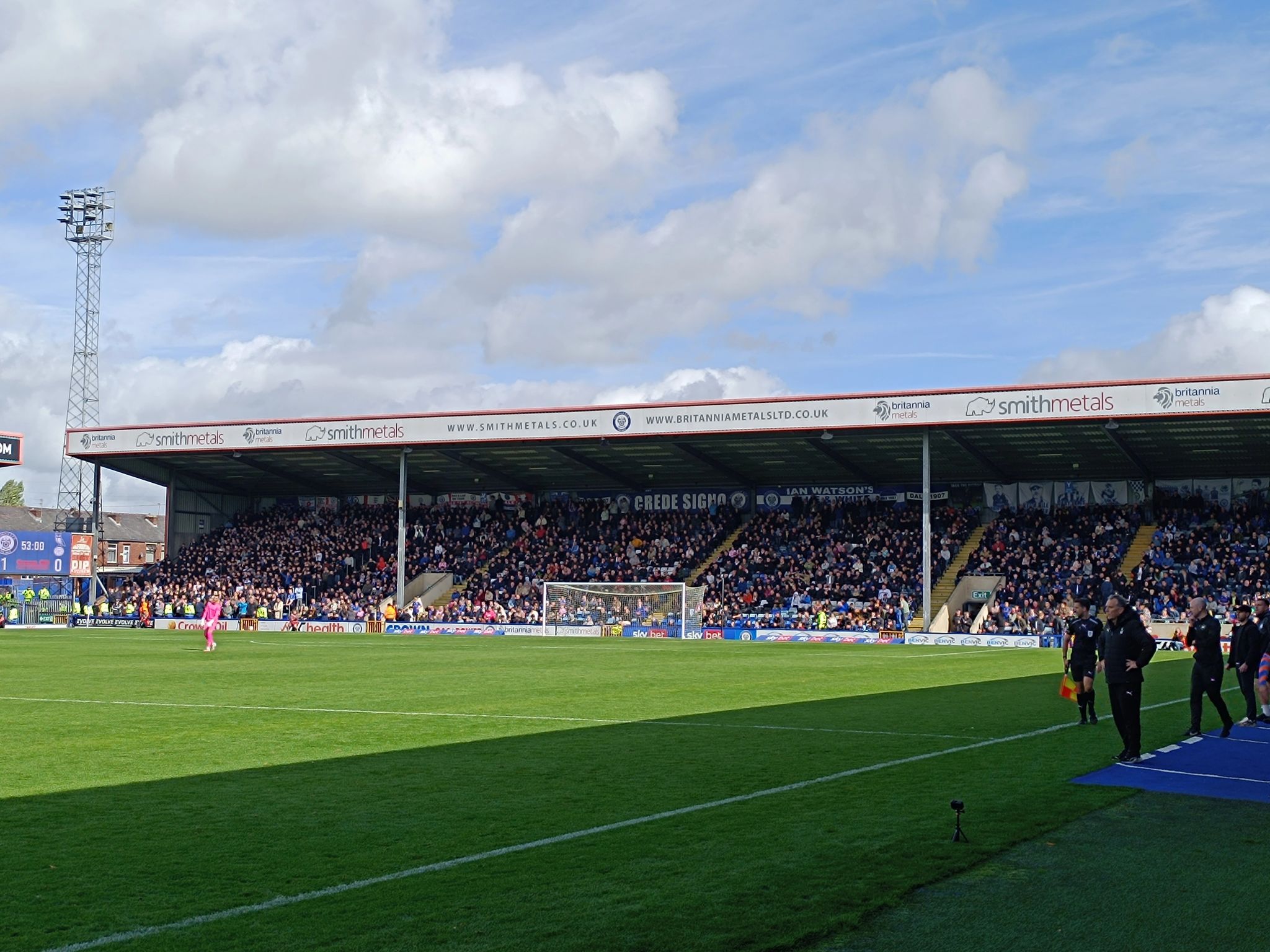


There is a slightly awkward part of football ticketing that supporters rarely see. A home club has an away allocation to manage, the visiting club wants to sell those tickets directly to its own supporters, and both may be working with completely different ticketing systems.
For the away club, there are good reasons to keep control of that process. It knows which supporters should get priority, whether season-ticket holders or members should have an exclusive window, how many tickets each person can buy and how it normally communicates around an away fixture. For the home club, the requirement is rather simpler: when those supporters arrive at the ground, their tickets need to work.
Historically, connecting those two sides of the process hasn’t always been particularly elegant. Different systems can mean printed allocations, tickets changing hands between clubs and additional administration around a fixture, despite almost every other part of the supporter journey becoming increasingly digital.
We’ve now built a way for Fanbase clubs to handle that entire away allocation digitally, without requiring the visiting club to change the platform it uses to sell tickets.
We recently saw it working when Rochdale hosted Oldham in front of more than 7,000 supporters at the Crown Oil Arena.
Oldham could continue selling its allocation through its existing ticketing system, retaining the processes and priority rules its supporters were already familiar with. Once those tickets had been sold, the ticket information was brought into Fanbase, allowing Rochdale to recognise and scan the tickets when supporters arrived at the ground.
That meant the fact the two clubs were using different technology didn’t need to become a supporter problem, or create the same level of operational work for the clubs behind the scenes.
It sounds relatively simple, and that’s rather the point. Supporters shouldn’t need to understand which ticketing platform the home club uses, how two systems communicate or what has happened to their ticket between buying it and reaching the turnstile. An Oldham supporter buys an away ticket from Oldham in the way they normally would, receives a digital ticket and uses it at Rochdale.
The more complicated part happens before they get there.
There is another reason we think this matters. Away ticketing isn’t simply about transferring an allocation from one club to another, because the visiting club often has its own rules around who should be able to buy.
A high-demand fixture might go first to season-ticket holders with a certain level of priority, then to members, then to general sale. Another club might have completely different rules. Those decisions belong with the away club, which understands its supporters and already has the systems in place to manage them.
With digital away ticketing through Fanbase, there is no need for the home club to recreate that process. The visiting club can continue managing the sale in the way that works for it, while the resulting tickets can still become part of the home club’s matchday operation.
For club staff, particularly at levels of the game where the same small team can be responsible for ticketing, commercial activity, supporter enquiries and matchday delivery, removing even relatively mundane pieces of administration matters. Printing tickets, arranging collections or handovers and reconciling allocations afterwards might not individually sound like enormous jobs, but football contains an extraordinary number of small jobs exactly like them.
Good technology should remove some of those jobs rather than creating new ones.
There is a broader principle behind the feature that we think is important.
Football clubs aren’t all going to use the same ticketing platform. Even within a single league, clubs will have different providers, different processes and different ways of working with their supporters. Whenever two clubs play each other, however, those separate operations briefly have to meet.
Technology works best when it accepts that reality rather than asking clubs to work around it.
For Fanbase, that means thinking beyond what happens when somebody buys a home ticket directly through our platform. An away supporter might have bought somewhere completely different, through a club with its own technology and its own relationship with that fan. From the supporter’s perspective, none of that should matter when they reach the turnstile.
The Rochdale and Oldham fixture showed what that can look like in practice. More than 7,000 people at the game, a significant away following, two different ticketing environments and a digital allocation that could still be managed at the ground as part of the same operation.
There will always be complexity behind a football match. The useful work is deciding which parts of it clubs and supporters should no longer have to deal with.
Selling the ticket is only one part of the supporter journey. Fanbase connects ticketing, attendance, memberships, supporter data and communications, helping clubs understand who is coming through the gate and build stronger relationships beyond a single fixture.
Explore the Fanbase Platform or book a demo.