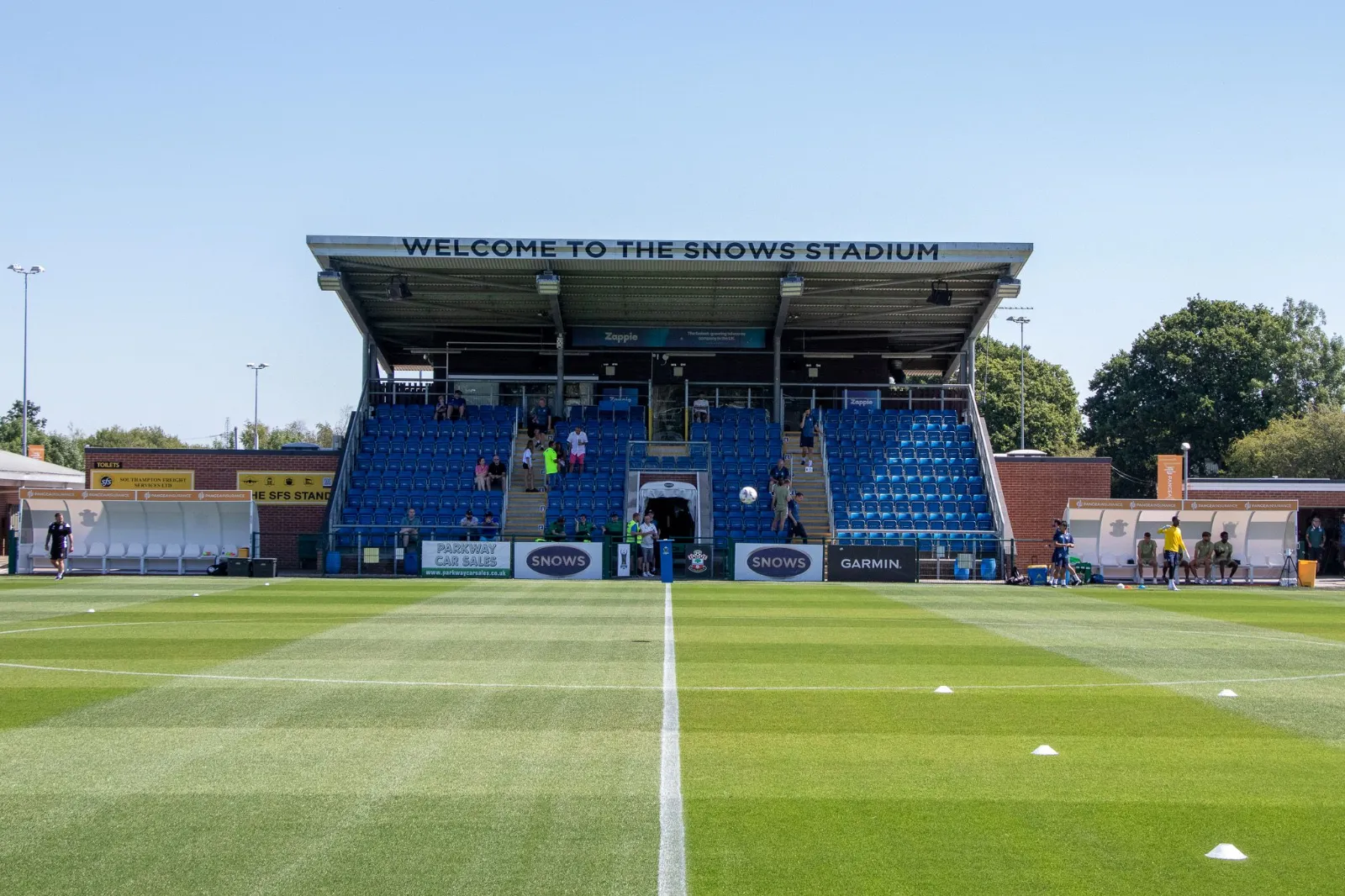
With crowds that rival clubs further up the football pyramid, Dulwich Hamlet need a matchday operation capable of handling significant demand. Operations Manager Gavin Smith explains how the south London club have simplified ticketing, transformed their entry operation and learned to predict attendances with remarkable accuracy.
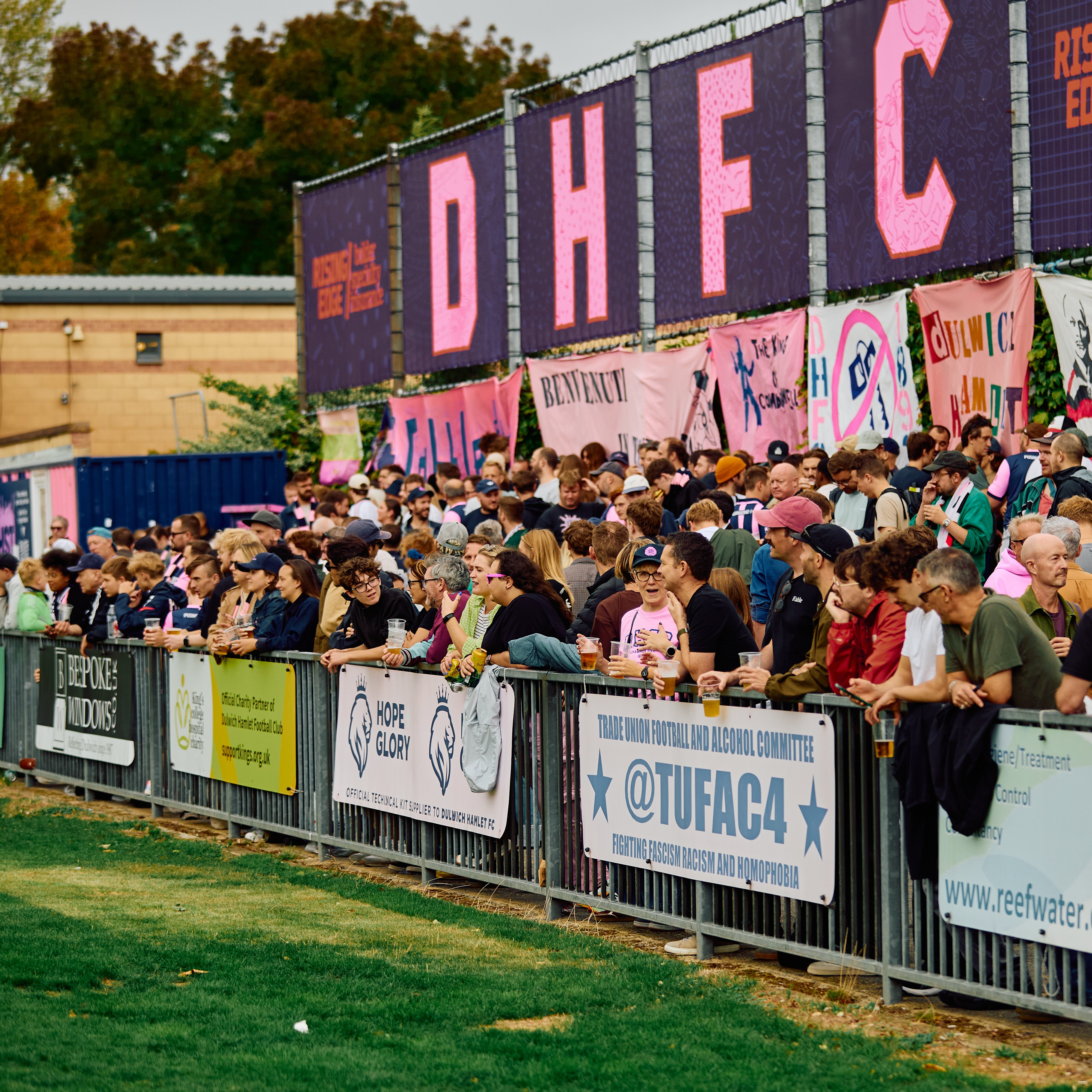
Dulwich Hamlet have never been an ordinary non-league football club. The south London side have built a reputation for their distinctive identity, passionate support and matchday atmosphere, with crowds regularly reaching numbers that many clubs further up the pyramid would welcome. Demand is now high enough that some fixtures sell out entirely, and at the busiest of them, around 500 supporters had to be turned away from a ground with a capacity of 3,334.
Those crowds create operational challenges that aren’t always matched by the resources available to manage them. From ticketing and stadium entry to security, catering and attendance forecasting, the Isthmian Premier League club need to operate with a level of organisation more commonly associated with the professional game.
“We’re a bit of a unique club. We have large crowds coming in, and we probably deal with a lot of the same issues as league clubs, but running on a non-league budget.”
Gavin Smith, Operations Manager, Dulwich Hamlet
For Gavin, the challenge is making sure supporters can arrive, get into the stadium and enjoy their afternoon without unnecessary delays, while keeping the operation efficient enough to work within the club’s means. It’s a job he approaches with years of experience of managing far larger crowds.
Before becoming Dulwich Hamlet’s Operations Manager, Gavin spent years in the live events industry, working on everything from tech conferences and exhibition builds to major music events, including work with The Prodigy. That included crowds of up to 80,000 at Milton Keynes Bowl, multiple nights at Wembley Arena and five nights at Brixton Academy.
His involvement at Dulwich began in a rather different capacity. Already a supporter, he started volunteering when the club needed extra help, and stayed involved when a dispute over Champion Hill forced Dulwich out of their home and into a ground share at Tooting. When the pandemic brought the events industry to a standstill, he became increasingly involved in the club’s day-to-day operation, starting with the unusual demands of football behind closed doors, from restricted stadium zones and temperature checks to sanitising match balls and goalposts at half-time.
When supporters returned and the person previously responsible for ticketing decided not to come back, Gavin took on the role. His background in live events has shaped an approach built around careful planning, reliable systems and an understanding of how people move through a venue, especially when large numbers arrive at once. For a club with a relatively small team, the challenge isn’t simply accommodating thousands of supporters but doing so without staffing levels and costs growing unnecessarily.
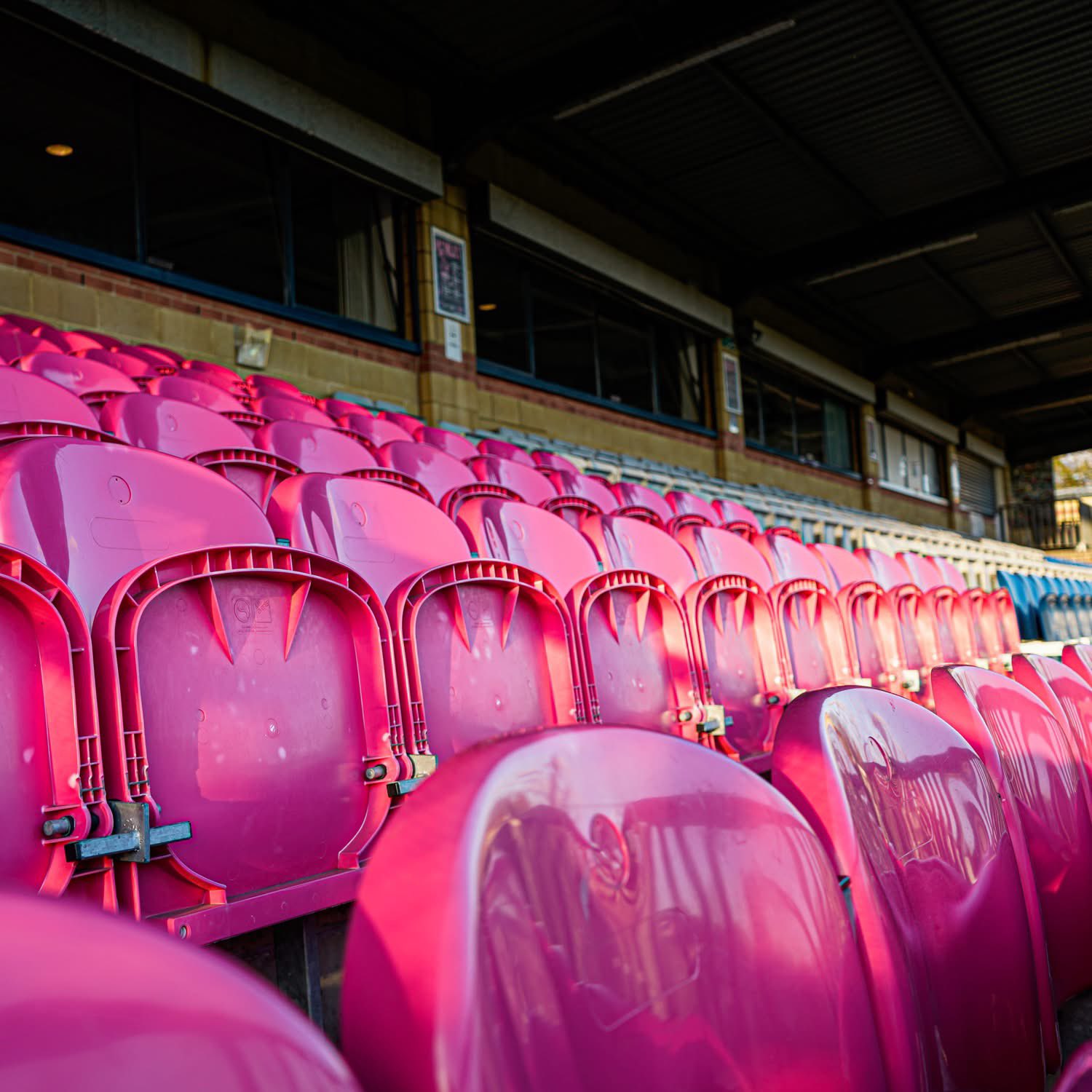
When Gavin first became involved in Dulwich’s ticketing, the club were managing three disconnected sets of information. Season tickets were issued on paper, advance match tickets were sold through See Tickets and payments on the day were handled through another platform. Season ticket holders could simply show their paper ticket at the gate, so for a time their attendance wasn’t recorded at all. The club later added a button to its EPOS system to count them in, but building a reliable picture of attendance remained difficult.
“We were still struggling with trying to work out what numbers were coming in,” Gavin recalls.
The consequences went well beyond the ticket office. Without a clear idea of how many people to expect, it was harder to decide how many bar staff, security and safety stewards each match needed. Too many staff create unnecessary costs, while too few lead to longer queues, slower service and a poorer experience for supporters. Gavin began looking for a way to bring the different parts of ticketing together, and that search led Dulwich to Fanbase, which has since become the home of the club’s advance sales and season tickets for both the men’s and women’s sides.
Like most football clubs, Dulwich see a huge concentration of arrivals in the final minutes before kick-off, as supporters finish drinks, meet friends and make their way to the ground. At Champion Hill, that rush has at times seen around 1,500 people trying to get in within the space of 15 minutes, and when Gavin first took on the role, the result was hard to miss.
“We were having people queuing out our car park across the road into the local park when I first started doing it,” he says.
The club have worked hard to encourage supporters to arrive earlier, with mixed success depending on the opponent and the weather, but the bigger change has come at the gate itself. Today, Dulwich can scan around 1,500 supporters into Champion Hill in approximately 30 minutes, using Fanbase’s ticketing and scanning technology alongside a matchday team that includes volunteers, with Gavin estimating that a supporter passes through every four seconds or so. At a busy fixture this season, the queue didn’t even reach the end of the car park.
The scanning equipment itself has played its part. Dulwich still use the heavy-duty scanners they bought several years ago, and Gavin had been considering replacing them because they were starting to feel slow. Fanbase’s upgraded scanning software changed that.
“With the new software, before that got released, I was half thinking we might have to replace them because they were a bit slow, but that’s given them a new lease of life.”
The difference was immediately noticeable to the staff using them. When the update first arrived, tickets registered so quickly that staff would instinctively scan the same ticket again before realising the first scan had already gone through. For Dulwich, it meant getting more out of hardware they already owned instead of investing in replacements.
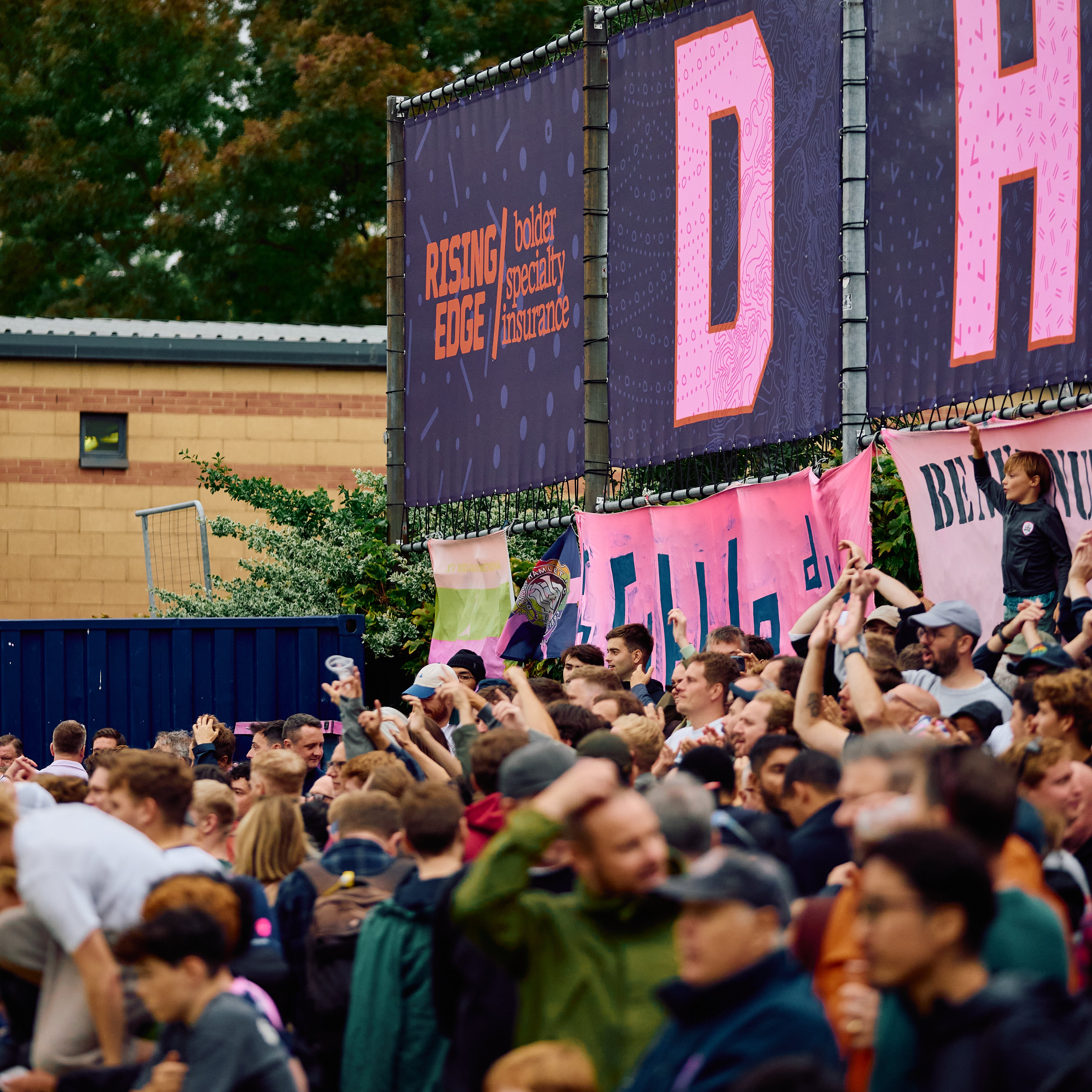
For Gavin, quick entry isn’t simply about avoiding queues. It shapes how supporters feel about their afternoon, and how much they spend once they’re inside.
“If you can get people in happy quickly, they’re more likely to buy something once they’re in and their enjoyment is going to be great… a lot better from there on in.”
The reverse is just as true. “If someone’s upset as soon as they walk in, that’s them gone for the whole day,” he says. A supporter who has spent the build-up stuck in a queue may miss kick-off, arrive frustrated and decide against visiting the bar, while someone who gets in quickly has time to enjoy the facilities and starts their afternoon in a far better frame of mind.
Dulwich have applied the same thinking to every stage of the matchday, with food and drink a major part of the club’s revenue. The club recently moved its EPOS system to Square, after running the old and new systems side by side for a couple of games, and bar transactions now take between eight and twelve seconds. Faster service has brought its own knock-on effects, including the need for additional portable toilets on busy days, but the principle is consistent: remove unnecessary delays and supporters will enjoy their visit more.
Bringing ticketing together has also changed how Dulwich plan for individual fixtures. With several seasons of ticketing data now available alongside figures from the club’s EPOS system, chairman Ben Clasper has become remarkably good at predicting how many supporters will attend, with his estimates often landing within around ten of the final figure.
That accuracy matters because so many decisions have to be made well in advance. Much of the club’s staffing is arranged weeks before a match, and external agencies typically need 24 or 48 hours’ notice to cancel, so overestimating a crowd costs money while underestimating it puts pressure on entrances and bars. A reliable forecast allows Dulwich to commit the right number of security, safety and bar staff to each game.
It also helps the club prepare for things it can’t control. Champion Hill is well connected, but closures at the local railway station over the past two seasons have changed how supporters arrive, with more late walk-ups and turn-ups when trains are cancelled. That means keeping entrances open for longer and delaying the point at which staff can move to other duties once the match has started. Better information doesn’t remove the unpredictability of a matchday, but it gives the club a far stronger foundation for dealing with it.
Gavin’s background in major events has made him a demanding user of the club’s systems. He’s in regular contact with Fanbase’s product team, testing new releases, asking questions and pushing for improvements, and he places just as much importance on what happens if something fails.
Dulwich keep separate systems for scanning tickets and taking payments on the gate, partly for speed and partly so one can cover if the other goes down. The club’s approach to changing EPOS providers followed the same logic, with both systems running in parallel until Gavin was completely confident in the new one. “You need to know what if something goes wrong, what do you fall back on?” he says. “And if that goes wrong, would you fall back on something else?”
There are still improvements he’d like to see. Women’s season tickets are currently scanned on a separate device, which means staff switching between scanners and supporters occasionally joining the wrong queue, something Gavin would like to solve by bringing the men’s and women’s season tickets together on one platform. Closer integration between ticketing and EPOS data, so the club can see entry and sales figures in a single place, is another ambition. Fanbase is already working on more flexible season ticket options, but these remain areas for future development, and Gavin’s feedback is helping to shape them.

Dulwich Hamlet’s ambitions extend beyond the current matchday operation. The club have secured planning permission for a new stadium, although Gavin acknowledges that timings remain uncertain as costs, regulations and the club’s own requirements continue to change. In the meantime, the focus is on making the most of Champion Hill, getting supporters through the gates efficiently, using attendance data to plan staffing accurately and making sure busy matchdays don’t place unnecessary strain on the club’s resources.
Large crowds create real opportunities for revenue and growth, but they also demand careful planning, reliable systems and an understanding of how every operational decision affects the people coming through the gate. Bringing their ticketing together, getting more from their existing equipment and learning to predict their crowds have given Dulwich a matchday operation capable of handling demand that many clubs would envy. For Gavin, the 1,500 supporters in 30 minutes is less the point than what it allows: supporters spending less time dealing with the practicalities of getting into a football match and more time enjoying the atmosphere that makes Champion Hill such a distinctive place to watch football.
One practical idea for your club, every fortnight. No spam, unsubscribe any time.
You've made the team sheet.
The next issue of the Clubhouse lands in your inbox soon.
Missed the target.
Check your email address and have another shot.
Read by club owners, commercial teams and ticketing managers.