The Clubhouse
What the NFL's London slowdown can teach football about demand
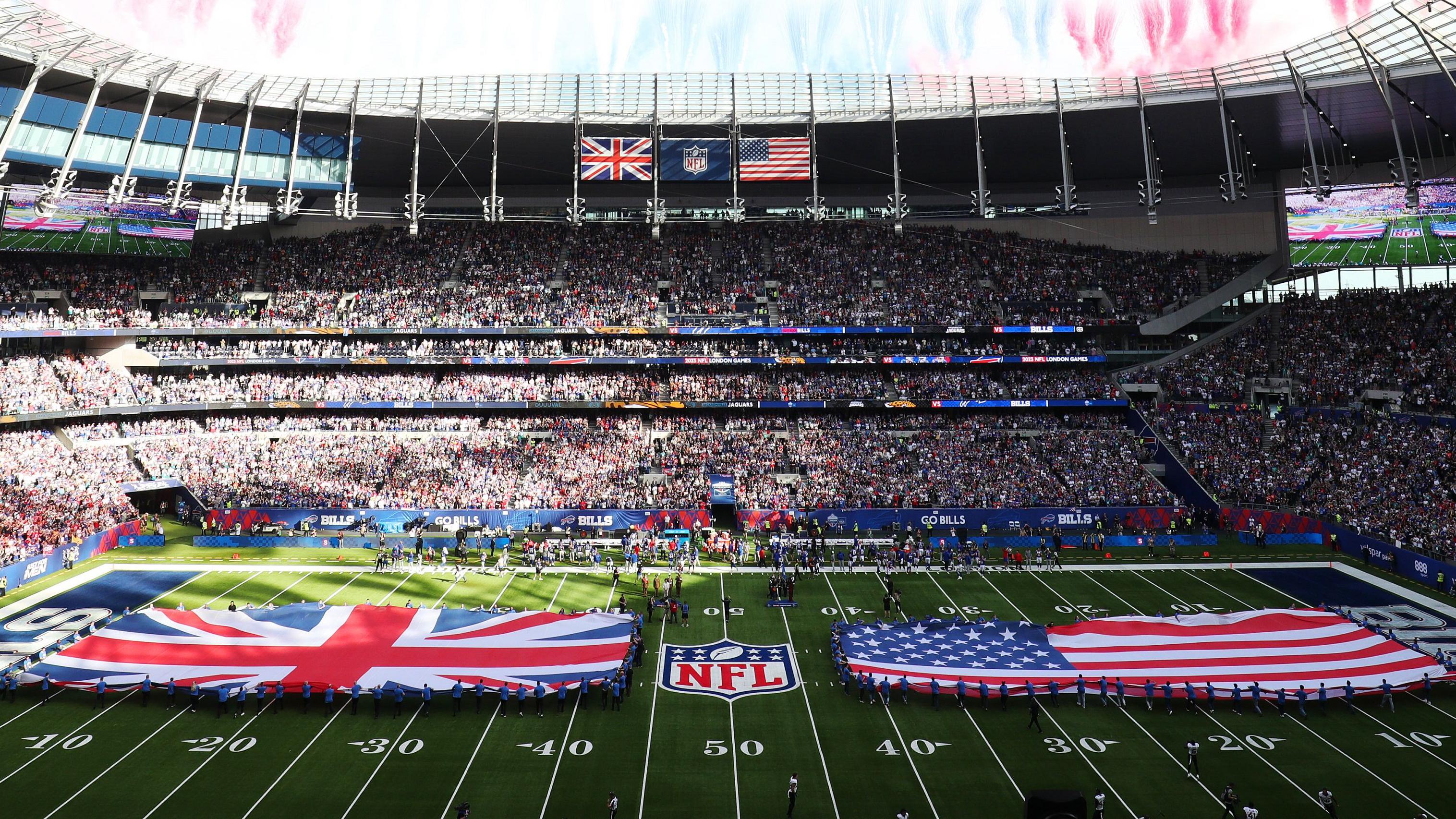


For almost 20 years, the NFL has had one enormous advantage when it comes to selling tickets in London: it’s the NFL, and it’s in London. When the International Series began in 2007, the novelty did much of the heavy lifting. It almost didn’t matter who was playing. You weren’t necessarily buying a particular fixture, you were buying the chance to see a regular-season NFL game without getting on a plane to America.
That relationship is changing. London has now hosted more than 40 regular-season NFL games, Britain has developed a large and increasingly knowledgeable audience, and the league itself is becoming more international. There are a record nine international games in 2026 across seven countries, while London gets three in consecutive weeks: Indianapolis Colts against Washington Commanders, Philadelphia Eagles against Jacksonville Jaguars, then Houston Texans against Jacksonville Jaguars.
The first of those games exposed an interesting tension. Colts against Commanders eventually attracted a crowd of close to 60,000 at Tottenham Hotspur Stadium, but only after the NFL significantly reduced ticket prices in the days before the game. Seats that had originally cost as much as £245 were reportedly being offered for £79, angering supporters who had bought early at full price.
On the face of it, a crowd of that size doesn’t look like a crisis. It clearly isn’t. There is still an enormous appetite for live NFL in Britain. But how the NFL got there matters, because it raises a more useful question than whether London has somehow fallen out of love with American football.
Has the novelty worn off enough that British supporters now expect a better product for the price?
London isn’t being given Chiefs against Bills. It isn’t getting one of those heavyweight match-ups that becomes appointment viewing even for neutral supporters. Instead, this year’s opening game was Colts against Commanders, followed by two Jacksonville Jaguars fixtures in consecutive weeks. The Eagles bring genuine star power and their game against Jacksonville has sold strongly, but the broader schedule does suggest that the NFL still believes the presence of the league itself can carry a significant part of the demand.
And while that may have been true 15 years ago, it’s harder to assume now.
British NFL fans know the league too well. They know which franchises are contenders, which quarterbacks matter and which games they would stay up late to watch from home. The NFL has done an excellent job of building that audience, but success changes the customer. Once people become more knowledgeable, they also become more selective.
There is another factor too: price. NFL London games are being sold into a British sporting culture with a very different idea of what a match ticket should cost. Premier League away tickets remain capped at £30, a limit the league unanimously extended earlier this year for another two seasons. The Premier League’s reasoning is revealing. It explicitly recognises both the extra costs supporters face when travelling and the value away fans bring to the atmosphere of the competition. Since the cap was introduced in 2016, away attendance has risen from 82 per cent to 91 per cent.
That doesn’t mean NFL tickets should cost £30. The products are different, the economics are different and London games remain special events. But asking a British supporter to spend £185 or £245 on a ticket, before travel, food, drink or bringing children are factored in, places the NFL in a completely different category of discretionary spending. At a time when household budgets remain under pressure, the fixture has to justify that premium.
And that’s where the combination of price and product becomes important. A supporter might accept paying a premium to see Patrick Mahomes, Josh Allen or one of the league’s truly marquee franchises. Asking the same price for a less compelling fixture is a much harder sell, particularly when the event is no longer genuinely scarce. The NFL may still be pricing London like a once-a-year spectacle when British supporters increasingly see it as part of the regular sporting calendar.
There is a lesson here from the Premier League that goes beyond affordability. English football has spent years learning that the value of a supporter doesn’t end at the turnstile. A full stadium creates noise, colour, tension and spectacle. It improves the experience for the people inside the ground, but it also improves the television product for everyone watching elsewhere. The Premier League knows that the image of packed away ends and hostile, noisy grounds is part of what it sells around the world.
The NFL should understand that instinctively as one of the greatest television products in sport. A London game isn’t simply 60,000 individual tickets to monetise. It is the sight of Tottenham Hotspur Stadium full of jerseys from across the league, a crowd responding to every big play, television cameras sweeping across packed stands and a visual demonstration that American football has established itself thousands of miles from home. The energy inside the stadium becomes part of the broadcast, and the broadcast helps sell the league.
That makes an empty block of seats more expensive than it might first appear. There is always a temptation in sport to maximise yield from every seat, particularly when demand has historically been strong. But the Premier League’s £30 away-ticket cap is a reminder that the highest possible ticket price isn’t always the same thing as the highest possible value. Sometimes the person in the seat contributes more to the product than the additional £20 or £30 you might have extracted from them.
The risk for the NFL is that it discovers this too late, after training supporters to wait for discounts. If someone buys early for £245 and then sees comparable seats offered for £79 a few days before kick-off, they learn a very simple lesson: next time, don’t buy early. What solves one fixture can weaken the next one.
That’s why this is ultimately a demand-management story rather than a discounting story. The question isn’t simply whether a game sells out. It’s how it sells out, who buys, when they buy, what they’re willing to pay and what they believe they’re getting in return. Demand for the NFL as a sport is not the same thing as demand for Colts against Commanders at £200 a ticket. The difference sounds obvious, but sports properties can lose sight of it when the brand itself has been strong enough to fill the building for years.
Football clubs face the same problem on a smaller scale. A derby might sell itself, a Saturday afternoon against a promotion rival might need very little help, while a Tuesday night fixture in February behaves completely differently. Treating every fixture as though the same audience will buy at the same price, for the same reasons, is increasingly difficult to defend when clubs have enough data to know otherwise.
The NFL doesn’t have a London problem. At least, there isn’t enough evidence to suggest that yet. What it may have is a more interesting challenge: a mature market that no longer sees every NFL game as equally valuable.
That is probably a sign of progress. British fans care enough to know the difference.
Now the NFL has to price, programme and sell to them accordingly.