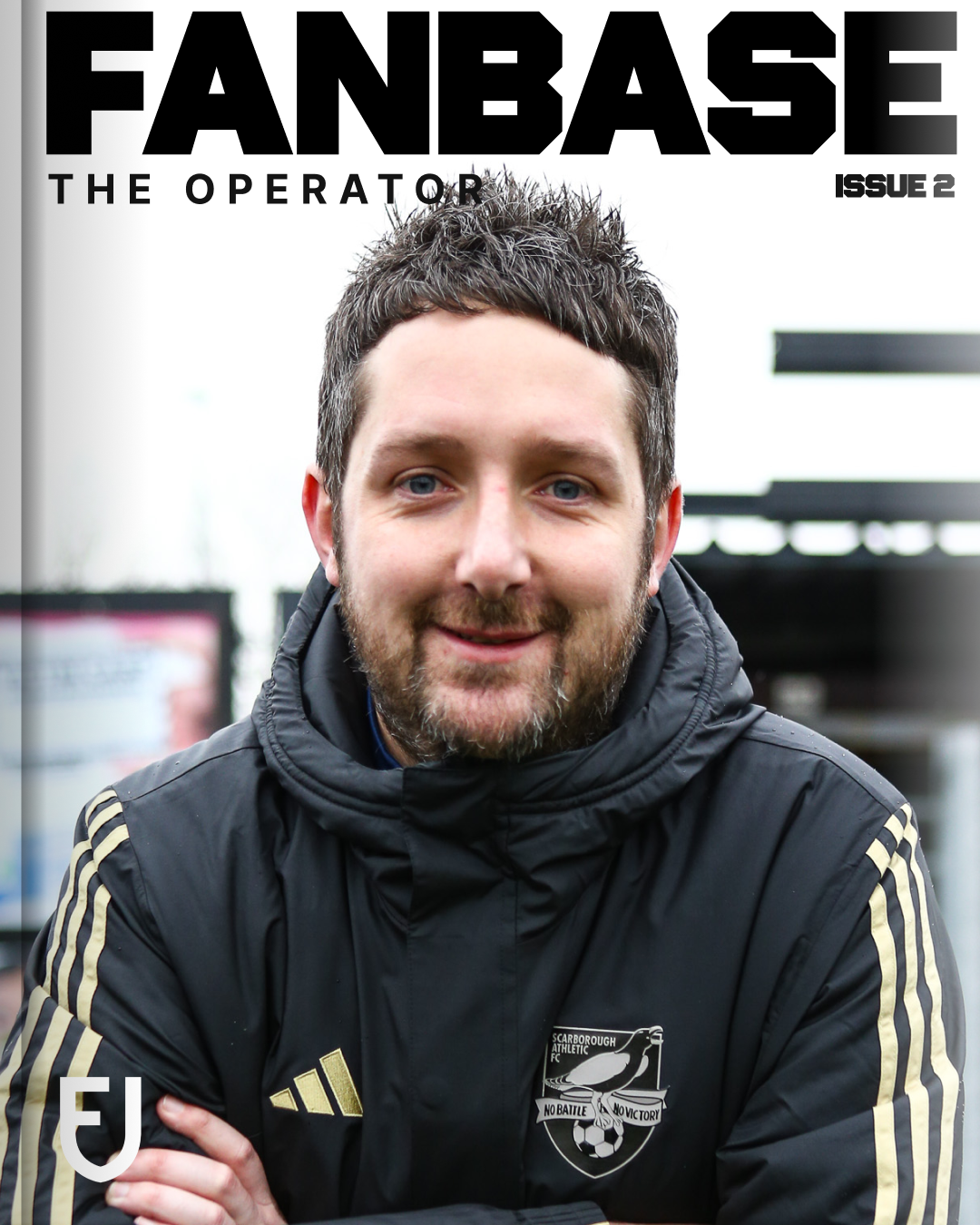
Darlington have a fiercely loyal following and a long history, but supporter goodwill only goes so far. Mick Dawson, the fan-owned club’s community fans director and commercial lead, speaks to Fanbase CEO Alasdair Crawley about tidying up an inherited commercial operation, landing Amazon and why the sponsors you already have deserve more attention than the ones you’re chasing.

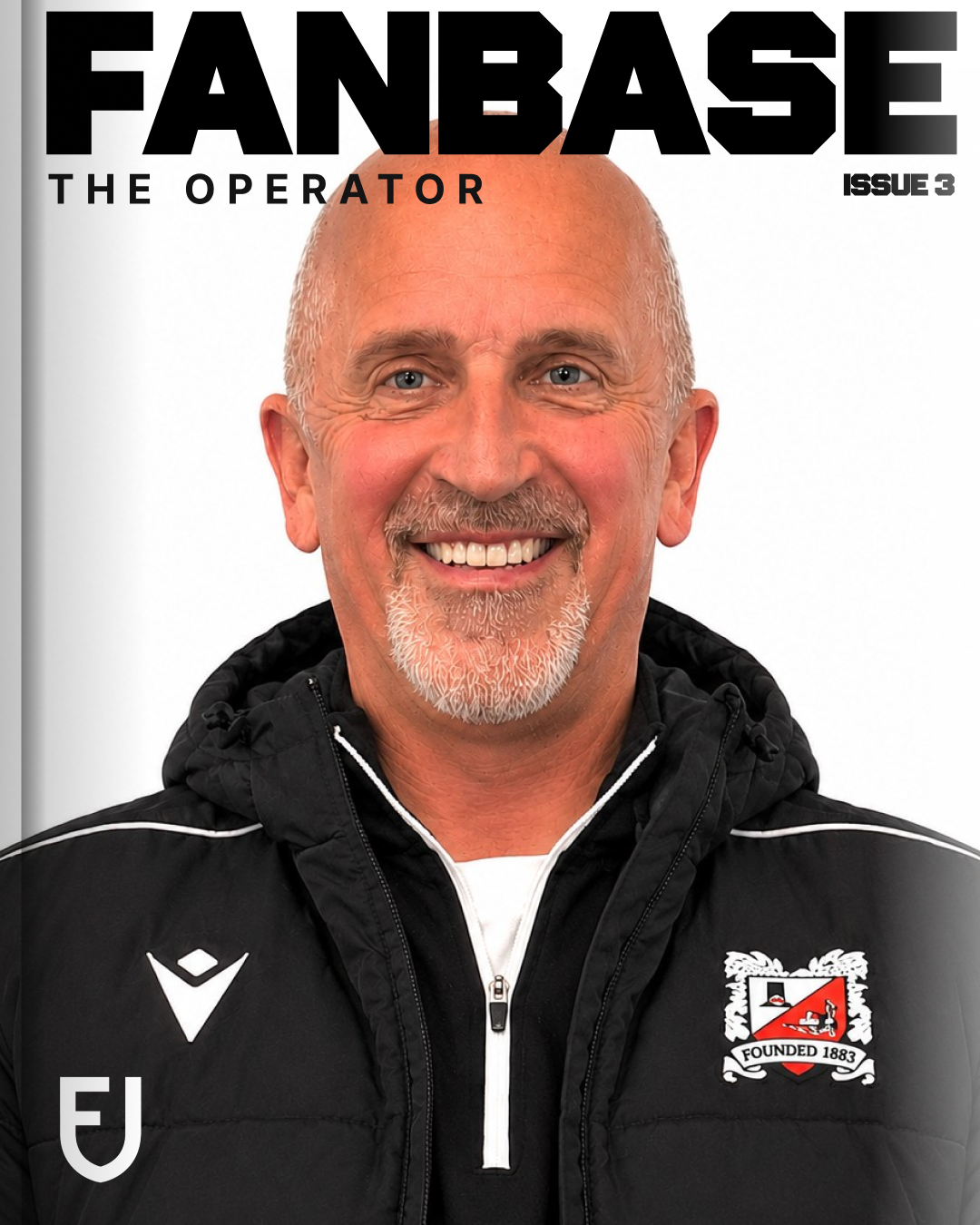
Darlington have a fiercely loyal following and a long history, but supporter goodwill only goes so far. Mick Dawson, the fan-owned club’s community fans director and commercial lead, speaks to Fanbase CEO Alasdair Crawley about tidying up an inherited commercial operation, landing Amazon and why the sponsors you already have deserve more attention than the ones you’re chasing.
When EBAC ended an eight-year stint as Darlington’s front-of-shirt sponsor for financial reasons, Mick Dawson could have quietly crossed the company off his list. Instead, he invited them back to the ground and presented them with a framed shirt. The response stayed with him. EBAC had supported clubs and sporting organisations across the region, but Mick was told he was the only person who had made the effort to thank them and invite them back. “He said, if we come back anywhere, it’ll be you,” Mick recalls.
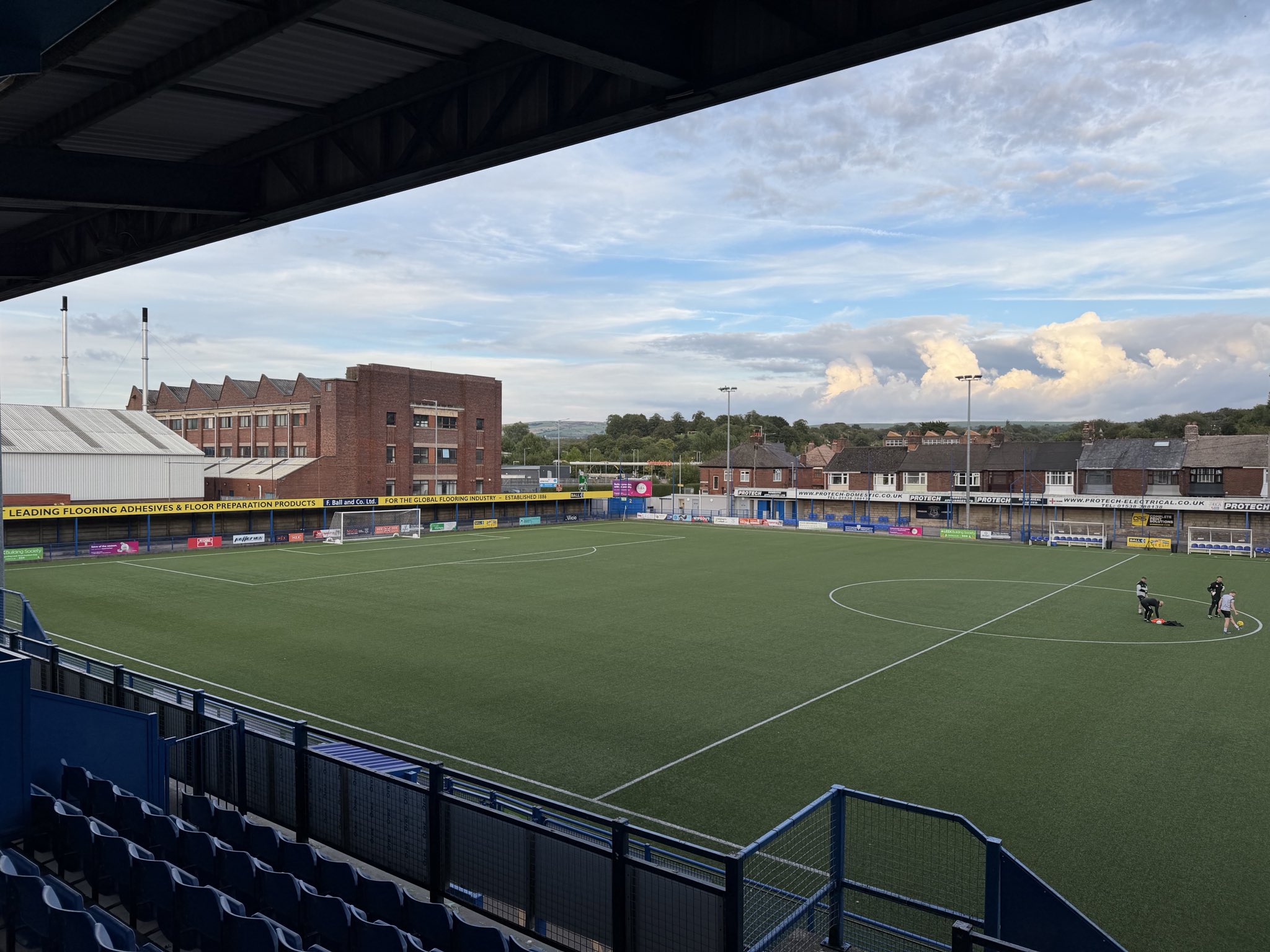
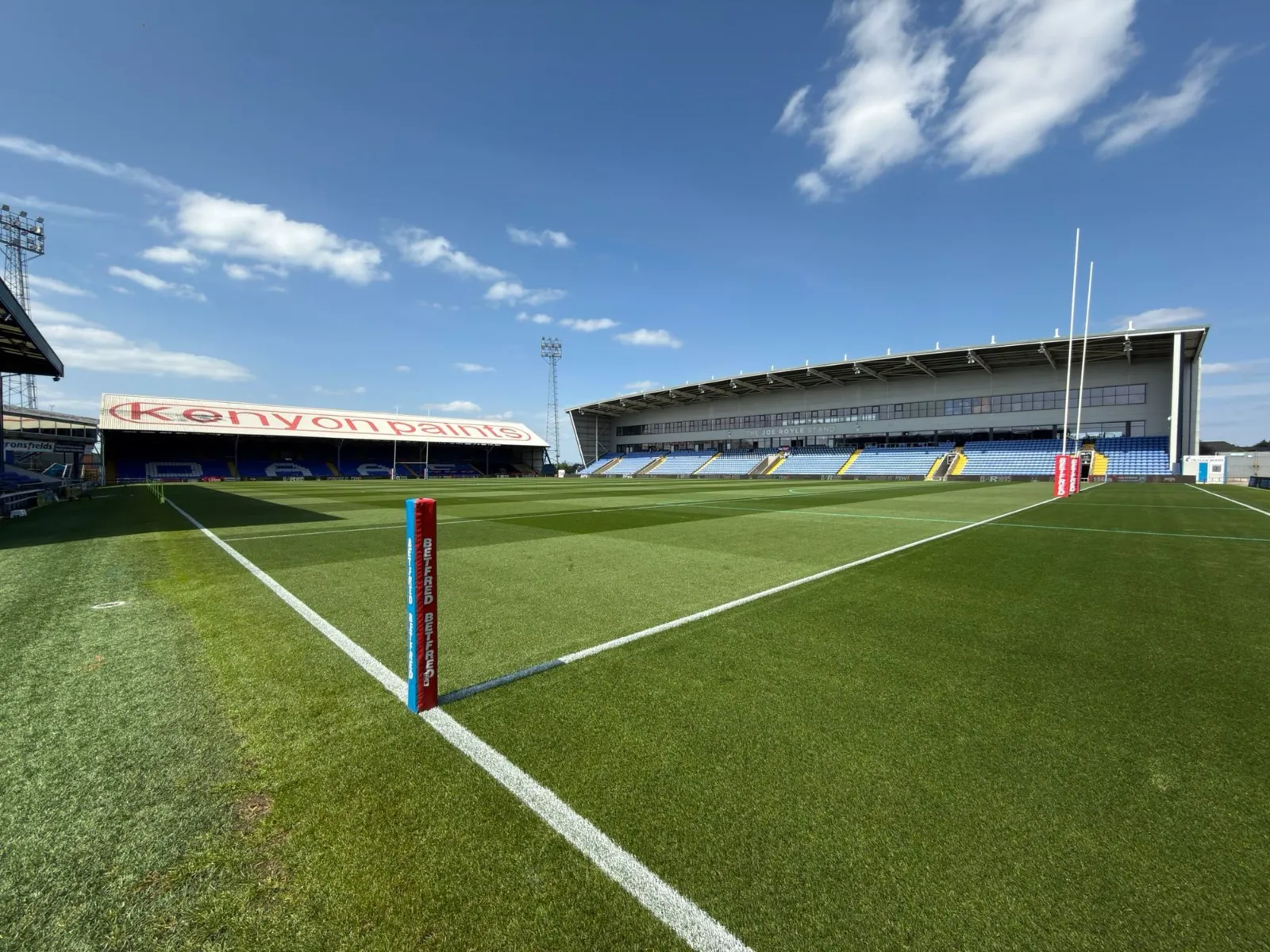
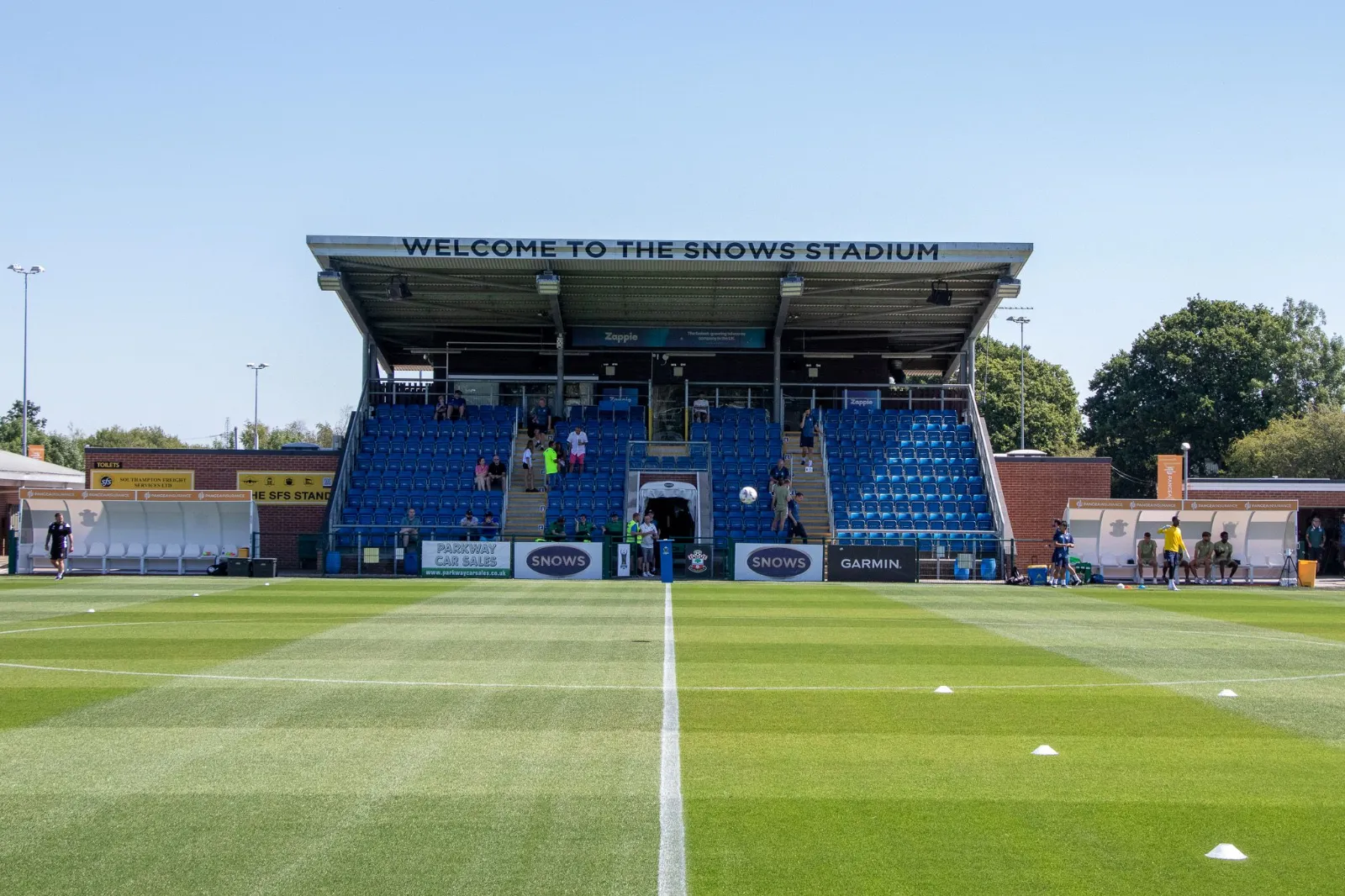
It’s a small gesture, but it sums up how Mick approaches commercial work at a club where every sponsor matters. Darlington went bust in 2012, spent years playing outside the town and now share Blackwell Meadows with Darlington Rugby Club. The club are owned by their supporters, turn over around £800,000 a year and still attract crowds of 1,500 on a Saturday and 1,100 on a Tuesday night, even with the team nearer the bottom of the National League North than the top. In that environment, losing a sponsor is expensive, and Mick’s view is that clubs lose far more of them through neglect than they need to.
Mick came to the role from outside football. Born in Darlington and the son of a former reserve goalkeeper at the club, he retired from the police in 2017 and was running his own business when the supporters’ group asked whether he’d considered becoming a director. He joined the board around four years ago and has spent the past two and a half years becoming increasingly involved in the commercial operation. He now estimates he gives the club the equivalent of four days a week as a volunteer. “It’s a very steep learning curve with a football club, to understand what they want from you and understand what you’re good at,” he says.
What he found was a commercial operation that nobody had been able to keep track of. Decisions had been made by volunteers with limited time, and the paperwork reflected it. “The first year was tough, to understand who’d paid for things, who hadn’t paid for things, whose contracts were way too good,” he says. “There’s boards up at the ground, half of them hadn’t been paid for. So there was a big mess.”
One agreement illustrated the problem particularly well. A £5,000 sponsorship came with commitments the club couldn’t realistically fulfil, including player appearances and Foundation activity, leaving Darlington with just £750 once the obligations were accounted for. Mick removed the commitments and reworked the arrangement, explaining that he could generate £3,000 for the club without giving away the same benefits. It was a useful illustration of how a sponsorship worth less on paper could actually leave Darlington better off.
His fix for the wider problem was straightforward. Every sponsor paying more than £1,000 now signs a contract, and every contract sits in a single folder. “Sometimes I need to go back to it to see what I’d actually told them,” he says. “It was really important to me to not leave anything to memory.”
“It was really important to me to not leave anything to memory.”
Mick Dawson, Community Fans Director and Commercial Lead, Darlington FC
With the basics in order, Mick’s attention turned to the relationships themselves, and much of that work happens face to face. He visits every sponsor within reasonable driving distance, as far afield as Newcastle, and his police background has made the conversations easier than they might be for some. “I can take a hit if somebody says no,” he says. “I believe face-to-face is seriously important to show who we are and to show what we can achieve.”
Home matches are where it matters most. Mick is in hospitality for every game, eats before he arrives so he can stay on his feet, and stands in the hallway greeting people as they come in. When a fixture hasn’t attracted a match sponsor, he gives the package to an existing partner instead. At a recent game, it went to one of the club’s biggest sponsors, whose representative had hinted only weeks earlier that their support might be in the balance. “They chose man of the match, it made them excited,” Mick says. “What did he say when he left? I’m going to have a chat with the boss about next year, Mick.”
The same thinking applies to hospitality. Because the rugby club provide the catering, Darlington pay for 40 covers whether they fill them or not, so when numbers are low, Mick invites current, former and prospective sponsors to fill the room. “Yes, I’m giving away, what, £40 maybe for two people? But that could easily come back,” he says. “Speculate to accumulate is my policy.” He also uses the matchday programme to remind supporters who’s backing the club, writing features on individual sponsors and the businesses on the stadium boards. “If you’re going to use people, use these people,” he says. “That’s why they’re sponsoring the club.”
“Speculate to accumulate is my policy.”
For Mick, the risk lies in assuming a sponsor will simply renew because they always have. “Make sure you don’t ignore them throughout the season, because at the end of the season they may just drop out and you’ll think back, why? Because I didn’t bother with them.”
The approach has also helped Darlington land a partner few clubs at their level could imagine. The introduction to Amazon came through a colleague at the Darlington FC Foundation, who approached the company’s local depot and was passed on to its marketing team in London. Mick then built a 14-page presentation covering the club’s history, its supporters, its reach and, crucially, the Foundation’s work on men’s mental health and support for young people. “Darlington Football Club has the reach,” he says. “That was what they wanted, that promotion into the community.” Amazon’s plans to introduce drone deliveries in Darlington also gave the club a timely reason to start the conversation.
The process took time and patience. Talks began in October, decisions rested with Amazon in the United States and nothing could be agreed until the company’s budgeting period in February, with long silences in between. Mick had initially asked for around £200,000, so when Amazon eventually came back with an offer of £25,000, it was considerably less than he’d hoped for. But he wasn’t disappointed, because it was a start, and Darlington now had a relationship with one of the world’s biggest businesses.
The funding was split equally between the football club and its Foundation, reflecting the importance of the community programmes to the partnership. The club and Foundation are now producing videos showing the impact of the funding, working on how that impact will be measured and preparing for the next round of conversations. Mick is already thinking about how the partnership could grow. “My mind’s always going to jump to that next thing,” he says.
Mick is candid about the limits of what one volunteer can achieve. He has recently taken on a commercial assistant, freeing up more time for visits, and he’s been building relationships with Middlesbrough’s commercial and Foundation teams rather than viewing bigger neighbours as competition. “Working with them rather than fighting against them,” he says. He believes smaller clubs have plenty to learn from their bigger neighbours, particularly when they lack the people and resources to develop everything themselves. “You can’t do it on your own,” he says. “I’m trying to do it on my own, but you need a team.”
But whatever resources a club has available, Mick believes the priority should be the businesses already supporting it. He still makes time for EBAC, even though their eight-year sponsorship has ended, and hopes the relationship might one day resume. There’s no guarantee it will, of course, but that’s hardly the point. “You’ve got to sow that seed,” he says. “That seed may grow, it may not, but it wasn’t going to grow if you didn’t thank them.”