The Clubhouse
How Sports Clubs Create New Revenue Without Raising Ticket Prices
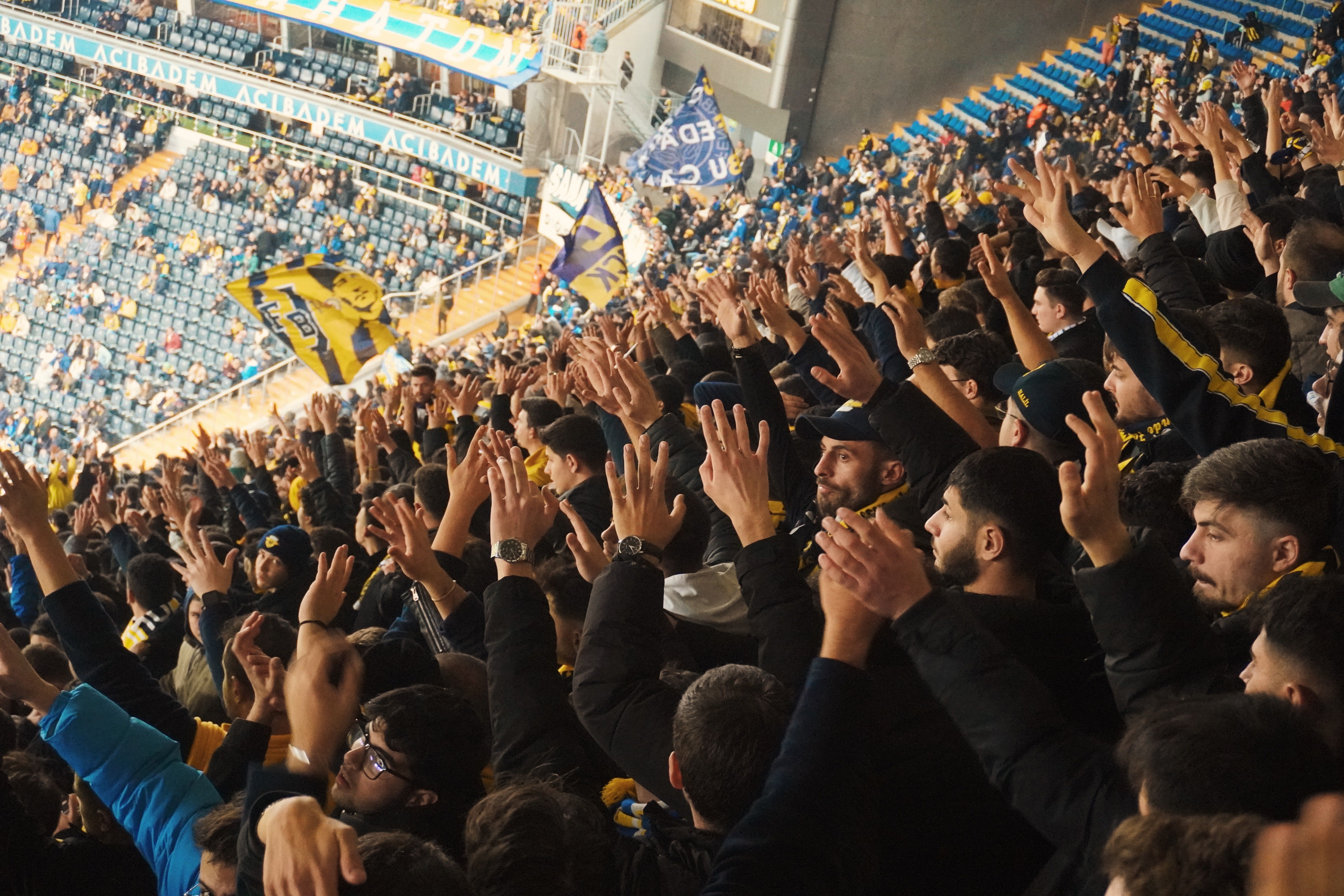


When clubs need to grow revenue, the conversation often begins with ticket prices. Should they go up, and by how much, and will supporters accept it? It is an understandable starting point. Ticket sales remain the largest source of matchday income for most clubs, and raising prices feels like the most direct route to improving the bottom line.
It is rarely the only option, and it is often not the best one. Many of the clubs seeing the strongest commercial growth right now are not asking supporters to pay significantly more for the same experience. They are creating more ways for supporters to engage with the club, and letting revenue follow from that engagement rather than from a higher price tag at the turnstile. The distinction matters more than it might seem, because a supporter who feels they are receiving more value tends to keep returning, while one who simply feels they are paying more does not.
Most clubs spend considerable time and budget thinking about how to attract new supporters. That effort is worthwhile, but there is often just as much commercial opportunity sitting inside the ground on any given matchday.
A supporter who buys one ticket might also become a member, purchase merchandise, bring family along to the next fixture, upgrade to hospitality for a special occasion or attend a summer event. None of those are separate commercial opportunities competing for the same supporter's attention. They are different expressions of the same relationship, and the clubs generating sustainable growth tend to think about that relationship as a whole rather than treating each transaction in isolation.
This is the thinking behind why every club should know its most valuable fans. A club that understands the full picture of a supporter's engagement is in a far stronger position to grow revenue from that supporter than one that only sees the single ticket they bought last weekend.
Membership schemes have become one of the most effective ways for clubs to generate meaningful new revenue without raising the price of attending.
The best examples are not complicated. Rochdale AFC's £5 Fan Card offered supporters £5 off every league ticket they purchased, and the scheme generated almost 600 members. The revenue itself was valuable, but arguably more valuable still was the by-product: hundreds of supporters who were now identifiable, contactable and directly engaged with the club rather than anonymous faces in the crowd.
Worthing FC has had similar success. Their membership scheme has grown to around 90% of the size of their season ticket base, creating a new five-figure revenue stream while meaningfully strengthening the relationship between the club and its supporters. That figure is a useful indicator of how significant membership revenue can become once a scheme reaches critical mass, often rivalling season tickets as a core income line rather than sitting as a minor add-on beside them.
Rather than asking supporters to spend more every time they attend, membership schemes give them another way to invest in the club and receive something meaningful in return. That is a fundamentally different proposition to a price increase, and supporters tend to respond to it very differently.
Hospitality is changing, and clubs that have not updated their thinking are likely leaving revenue on the table.
Many organisations still associate hospitality almost exclusively with corporate entertaining. Increasingly, supporters themselves view hospitality as a way to mark birthdays, anniversaries, family occasions and reunions with friends who no longer live nearby. That shift opens up commercial opportunities well beyond the traditional executive box.
Pitchside lounges, premium seating, post-match player appearances and exclusive behind-the-scenes experiences can all generate meaningful additional revenue while deepening a supporter's emotional connection to the club. The most successful hospitality offers are not simply a better seat at a higher price. They create a memory that a supporter associates specifically with the club, which is a considerably more durable commercial asset than a single upgraded ticket.
Buying a shirt is rarely a purely transactional decision. For most supporters, it is an expression of identity.
Clubs that connect merchandise launches to season ticket campaigns, membership drives, player announcements or community initiatives consistently see stronger results than clubs that treat retail as a standalone department operating in its own lane. The same principle holds throughout the year. Limited edition products, anniversary collections and exclusive offers reserved for members all give supporters a reason to buy without any change to the price of attending a match.
When retail and ticketing are connected rather than operating separately, both tend to perform better than they would alone, because each campaign reinforces the other rather than competing for the same supporter's attention at different moments.
One of the more interesting trends emerging across sport is how creatively clubs are finding new uses for their facilities outside of matchday.
Caledonia Gladiators recently transformed their home arena into a World Cup Match Day Village, complete with live music, street food, local traders and family entertainment. The event was not simply a one-off success in its own right. It introduced new audiences to the venue who might never otherwise have visited, generated additional revenue during a period when the arena would typically have sat empty, and gave existing supporters another reason to associate the venue with positive experiences beyond the games themselves.
That kind of thinking can take many forms depending on a club's facilities and community. Supporter evenings, quiz nights, community festivals, watch parties for major tournaments, business networking events and live screenings can all turn a venue that would otherwise be dormant between fixtures into a year-round commercial asset. Every event of this kind gives supporters another reason to walk through the door and strengthens the relationship between the matches that actually matter to them.
A significant amount of potential commercial revenue is missed for a simple reason: supporters never hear about it.
Clubs generating the strongest results from memberships, hospitality and merchandise tend to communicate consistently throughout the year rather than only when tickets go on sale. That might mean promoting a hospitality package ahead of a significant fixture, reminding members of a benefit they have not yet used, highlighting a new product range or inviting supporters to a summer event they would otherwise never have known was happening.
The right message delivered at the right moment frequently has more commercial impact than another discount ever could. This is the argument explored in more detail in sports club email marketing, where the central point is that most clubs are not short of commercial opportunities. They are short of the communication needed to make supporters aware those opportunities exist.
The underlying lesson across every example in this article is the same.
Supporters do not think in departments. They do not separate ticketing from retail, memberships from hospitality, or events from football in the way an organisational chart might suggest they should. They simply experience the club as a single, continuous relationship, and every interaction either strengthens that relationship or quietly weakens it.
The clubs creating the strongest commercial growth understand this instinctively. Every positive experience creates another opportunity to engage further, and every visit increases the likelihood of another. That is why sustainable revenue growth so rarely comes from asking existing supporters to pay more for the same thing. It comes from giving them more genuine reasons to come back, and building the commercial infrastructure to capture the value that follows.