The Clubhouse
The 20 Minutes After the Final Whistle Are Costing You Money
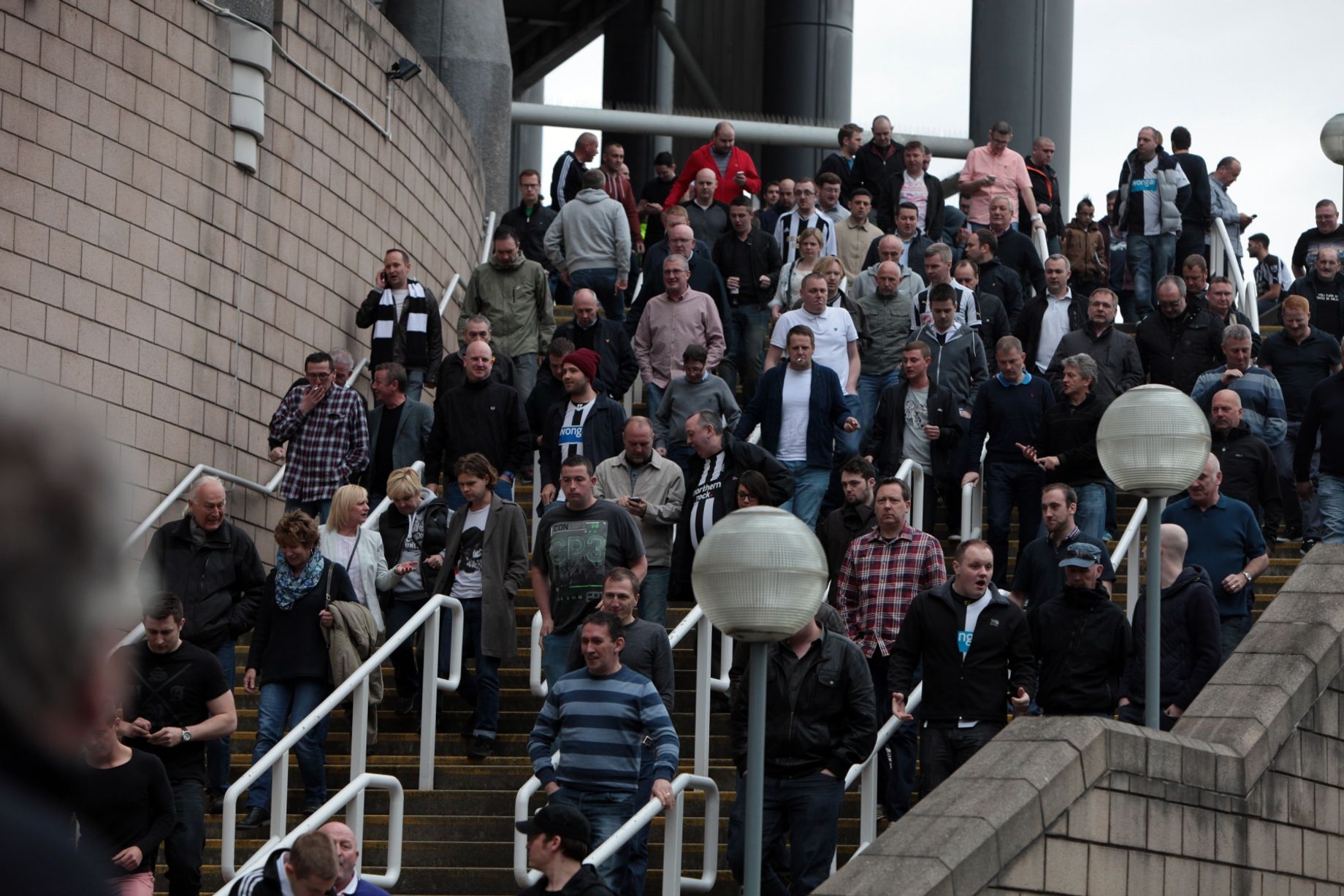


The final whistle blows and, almost immediately, the commercial opportunity ends.
Supporters head for the exits. Concession stands close or go quiet. Staff begin packing up, if they haven't already. Within twenty minutes, a ground that spent ninety minutes full of noise and spending power is largely empty. For most clubs, that is simply how matchday works. The game finishes and people go home.
But new research from the Global Experience Economy, drawn from 1,525 football fans across the UK, US and Germany, suggests the post-match window represents one of the most significant untapped revenue opportunities in sport. Two in three fans leave within twenty minutes of the final whistle, but six in ten say they would stay longer if they were given a reason to.
That gap between what is happening and what could happen is worth taking seriously.
Think about the investment that goes into getting a supporter to the ground. The ticket campaign, the pre-match communications, the matchday guide, the social media build-up. Clubs spend significant time and resource on bringing people in through the turnstile. The moment the game ends, most of that investment stops working.
The research focused on top-flight clubs, and the absolute revenue figures will be smaller at non-league and lower-league level, but the pattern is arguably more pronounced the further down the pyramid you go. At those levels, the matchday experience itself is the primary reason many supporters attend. There is no global superstar to watch, no televised spectacle to recreate at home. The ground, the community and the atmosphere are the product. Which means everything that happens around the ninety minutes matters more, not less, than it does at elite level.
The post-match window is part of that product and most clubs are giving it away for free.
The research finding that 6 in 10 fans would stay longer if given a reason is striking precisely because it reveals that the departure is not really about desire. Most people are not desperate to leave. They are simply responding to an environment that signals the experience is over.
Concession stands close. Music stops. Stewards begin ushering people out. The implicit message from the club is: the match has finished, you can go now. Maybe it's even more that. Maybe it's: we want you to go now. And so people go, taking their wallets with them.
The habit of leaving immediately after the final whistle is not natural. It has been trained into supporters by years of environments that offered nothing worth staying for. Change the environment and the behaviour changes with it.
Dulwich Hamlet are a useful example of what this looks like in practice. Their ground at Champion Hill has developed a reputation for matchday atmosphere that extends well beyond the final whistle. Supporters linger. The bar stays busy. The sense of community that makes Dulwich what they are does not switch off when the referee blows. That culture has not happened by accident. It reflects a club that understands its matchday as an event rather than a fixture, and designs the experience accordingly. The result is a fanbase known for staying, spending and coming back.
Dulwich operate in non-league football. The lesson is not about budget. It's about intent.
The 6 in 10 figure is significant on its own, but the more commercially useful insight from the research is what supporters say they would stay for.
The consistent themes are quality food and drink, a comfortable place to sit, entertainment or music and a reason to gather, whether that is a post-match interview, a player appearance or simply an atmosphere that has not been switched off. None of those things are revolutionary. They are the same things that keep people in a good pub or a decent music venue. The difference is that most sports grounds do not think about the post-match hour in those terms at all.
The research also highlighted that 71% of supporters would pay more for visibly better food and drink. The complaint about expensive stadium food is rarely about the price. It is about paying premium prices for something that feels like it was prepared indifferently. Fix the quality and the willingness to spend follows. That principle applies before kick-off but it is even more relevant after the final whistle, when a supporter who has just watched their team win is in the best possible mood to spend a little more on a drink they actually enjoy.
One of the broader findings in the research is that 79% of matchday spending is decided before supporters leave home. That has significant implications for how clubs think about pre-match communication, but it also has a less obvious implication for the post-match window.
If supporters are deciding in advance how to spend their matchday, clubs that communicate about post-match plans before kick-off are getting into that planning window. A message that goes out the morning of a match saying "stay after the game, live music from five o'clock, bar open until seven" is competing for attention before the decision has been made. A sign on the way out of the turnstile after the match is not.
Post-match communication starts pre-match. The clubs that understand this sequence are the ones most likely to influence what supporters do in that twenty-minute window.
None of this requires significant capital investment to start. The barriers are more about habit and mindset than budget.
The most straightforward starting point is simply keeping things open. A bar or catering offer that closes the moment the final whistle blows is sending a clear signal. Extend it by forty-five minutes and some supporters will stay for no other reason than that the option now exists.
The second lever is communication. A post-match push notification or email sent within thirty minutes of the final whistle, while supporters are still in or around the ground, catches people at the moment they are most engaged with the club. Not a marketing message about next week's fixture but something that acknowledges what just happened and gives them a reason to stay connected: a thank you for attending, a match highlight, a reminder that the bar is open. The clubs already using Fanbase for post-match communications are reaching supporters at the highest point of emotional connection in the matchday cycle. That is the right moment for any message a club wants to land.
The third is design. Dulwich Hamlet did not create their post-match culture through a single initiative. They created an environment where staying felt natural and worthwhile, and they did it consistently until it became part of what the club is. That takes time but it starts with the decision to treat the post-match hour as part of the matchday product rather than the end of it.
Every extra half hour of dwell time, from a crowd already inside the ground, already emotionally invested, already in a social context where spending feels easy, is pure commercial upside. These are not new supporters who need to be persuaded to engage. They are people who came, who spent the afternoon there and who, according to the research, would happily stay a little longer if the experience justified it.
The clubs that recognise this are not just leaving less money on the table. They are building the kind of post-match culture that makes attending feel like more than watching a game, which is exactly what drives the decision to come back the following week.
The twenty minutes after the final whistle does not have to be when the opportunity ends. For clubs willing to think about it differently, it is when the next one begins.